

Weekly Insights. December 20, 2025
Best hospitality industry articles focused on 💵revenue, 📊markets, and 🎯strategy (Dec 14 - Dec 20, 2025)

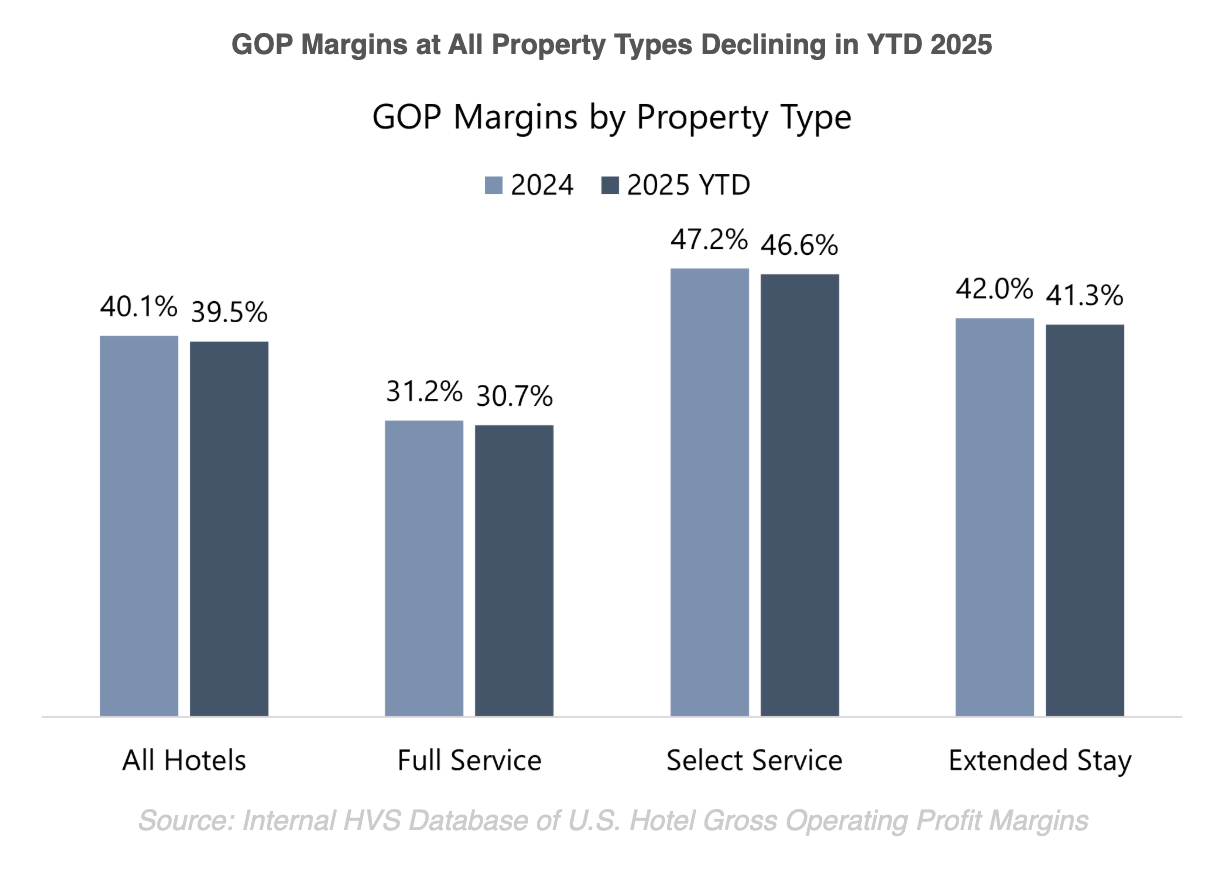
Hotel profitability in transition: Cost pressures and budgeting priorities for 2026
The article says hotel profit will be harder to protect in 2026 because operating costs keep rising while revenue growth slows. It urges profit first budgeting, closer tracking of acquisition costs, and tight control of big expense lines such as labor, energy, insurance, and debt. It recommends cleaner data, better forecasting, smarter channel mix, and targeted tech that automates routine work and reduces waste so more revenue flows to the bottom line.
Can the future of hotel reviews be completely AI-generated?
I feel that the scenario is no longer speculative. It is, if anything, the natural extension of where reputation systems are already heading. It is easy to imagine Tripadvisor, Google or any major OTA replacing the old free text box with a short sequence of micro prompts delivered immediately after checkout, when the memory of the stay still retains a degree of clarity.
Imagine this: a guest leaves the hotel, the phone vibrates, and a short questionnaire appears. What worked during the stay, how the night went, whether the staff felt welcoming, and whether the place deserves a future visit. The guest replies, offering only a few words. The LLM absorbs these fragments and turns them into a complete review that matches the platform's expected tone and structure.
The result is a constant flow of synthetic narratives. Volume increases, style becomes more consistent, outliers fade, and moderation becomes easier. Platforms gain cleaner data and a higher review count. Guests experience a process that consumes almost no time. Reputation begins to operate as an automated pipeline in which the human contribution is minimal, and the model handles everything else.
The real question is: are we prepared to inhabit an environment in which reviews are written by AI, moderated by AI, and ultimately evaluated by other AIs that guide ranking and recommendations throughout the travel ecosystem?
AI in travel: Building an AI-integrated guest experience across travel sectors
The article says AI is reshaping travel by linking booking, service, and pricing into a smoother end-to-end journey. It argues the real opportunity is a connected ecosystem where agentic AI tools coordinate across sectors, for example rebooking transfers and adjusting hotel check-in when a flight is delayed. To make this work at scale while protecting privacy, it highlights federated learning so providers can collaborate without sharing raw data, and urges hotels to move from siloed tools to shared intelligence.

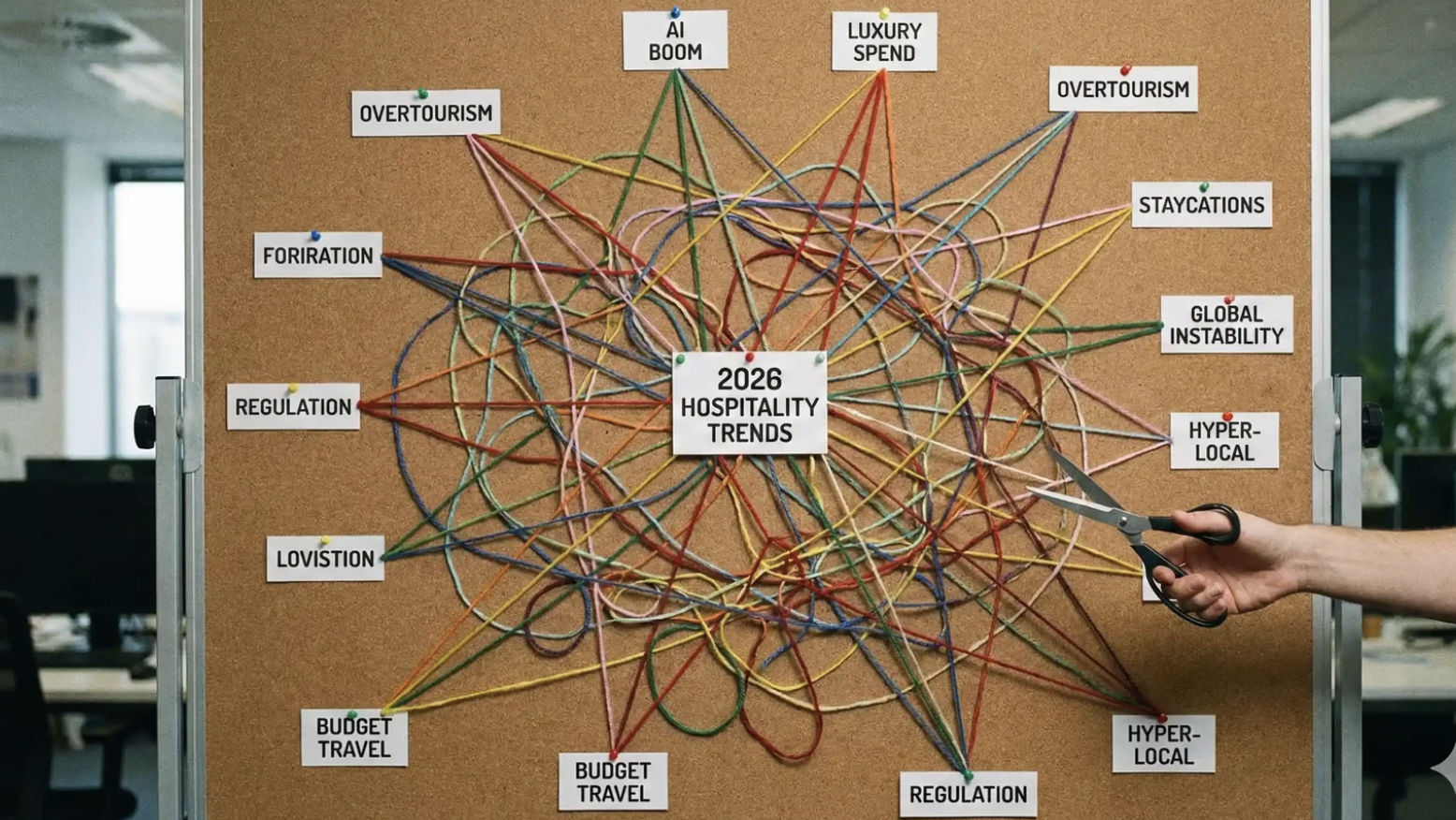
Why 2026 hospitality trends are useless for your hotel
The article says generic trend lists for 2026 will not help your hotel because they are too broad and rarely match your market. Instead, build your plan from your own data and guests, set a few clear goals, run small tests, and measure profit and demand signals weekly so you can adjust fast. Focus on what moves your segments in your location, not what the industry says in general.
Hands-On vs. Hands-Off: Rethinking hotel asset management for real results
The article contrasts hands on and hands off hotel asset management and argues that active involvement usually produces better results. It explains that hands on asset management aligns strategy with operators, visit the property, scrutinize P and L drivers, track KPIs tied to NOI and value, and make timely decisions on capex, branding, and mix. Hands off oversight can work for stable assets but risks missed revenue, rising costs, and slow course corrections.

7 types of hotel guests and how to appeal to them
The article outlines the main types of hotel guests and how to win them, covering business and group travelers, bleisure, long stay, government, and leisure segments such as families, couples, and solo explorers. It explains their typical needs and booking habits, then shows how to tailor offers, amenities, and messaging across channels to increase conversion, satisfaction, and repeat business.

Direct booking in the AI era: 10 OTA winback strategies
The article explains how to win back OTA shoppers in the age of AI by strengthening direct booking fundamentals. It recommends cleaning and structuring content so AI and metasearch show accurate rates, sharpening first-party data and personalization, fixing friction in the booking flow, and using targeted offers, price assurance, and timely on-site messages to convert. It also urges continuous testing, tight tracking of acquisition costs, and smarter use of OTAs for reach while prioritizing profitable direct demand.

Follow on LinkedIn