
Weekly Insights. December 6, 2025
Best hospitality industry articles focused on 💵revenue, 📊markets, and 🎯strategy (Nov 30 - Dec 6, 2025)

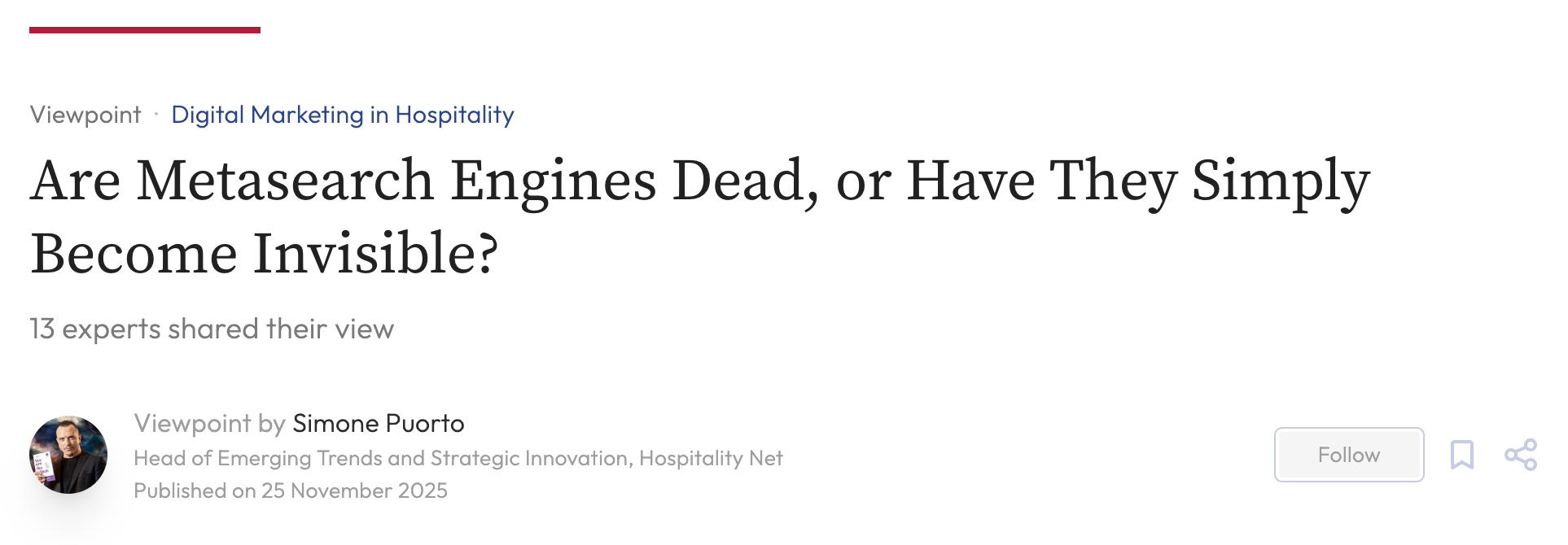
Are metasearch engines dead, or have they simply become invisible?
For years I have argued that metasearch, at least in the recognizable shape that defined the last two decades, is already dead. What we are entering is not the erasure of metasearch but its absorption into the infrastructural substrate of distribution. In this "post-metasearch world," aggregation persists, but it no longer plays out as a visible marketplace of bids, clicks, and placements. It hides beneath the surface, silently powering the answers of large language models, while the user interface becomes entirely conversational.
Having been involved in the earliest experiments of metasearch integration with brand.com, I cannot escape the sense that history is looping back. The first to benefit will be those with the technological agility to integrate at scale, which almost certainly means OTAs. Booking engines will eventually enter the equation, but their reliance on intermediating hubs will once again convert what could have been a direct channel into another expensive toll road, an illusion of disintermediation that still carries a premium.
So the real question is not whether metasearch is dead, but whether its ghost is already haunting a new paradigm. Are we witnessing disappearance, or transfiguration?
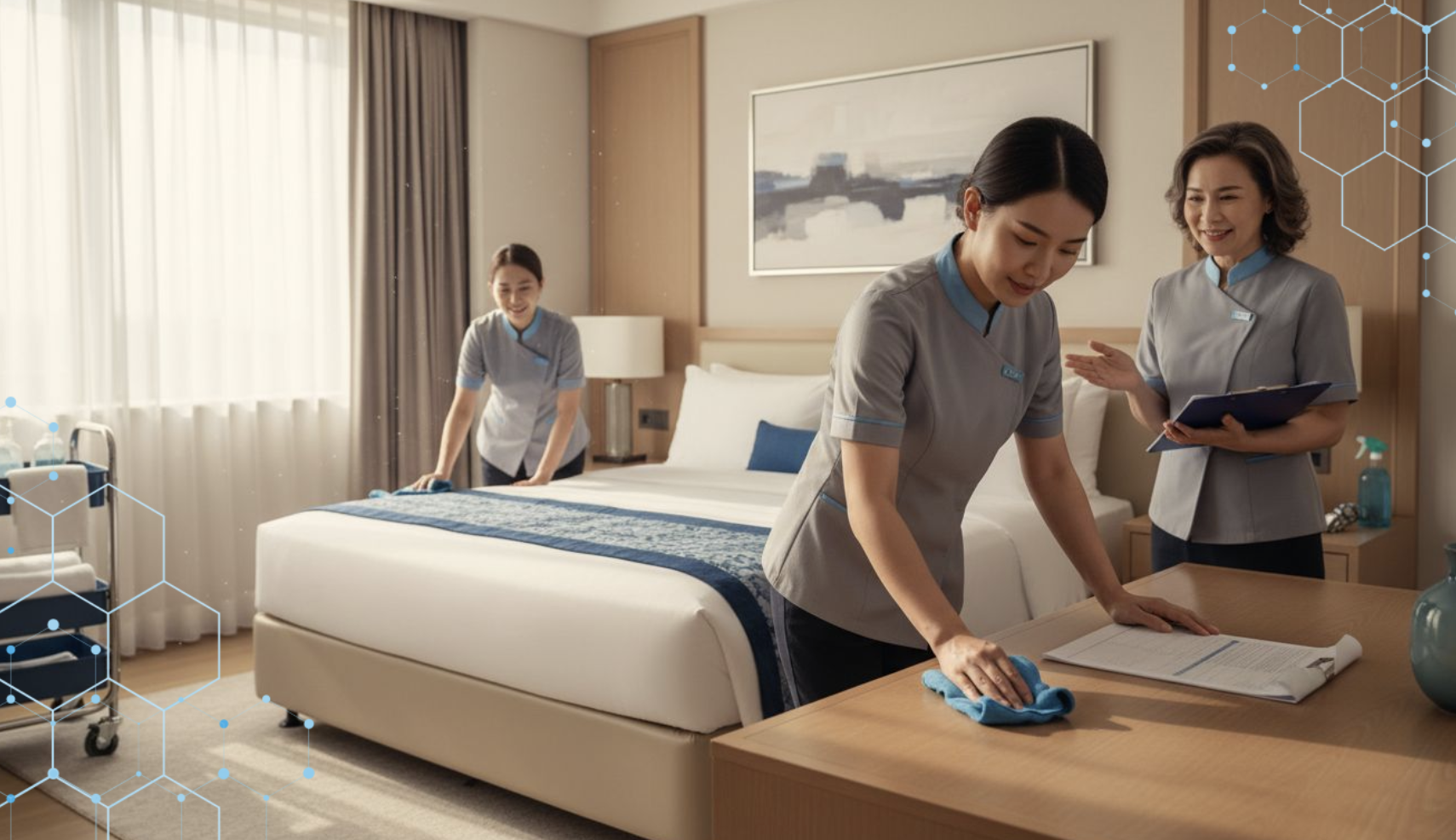
7 essential hotel housekeeping tips for managers and owners
The article shares practical housekeeping tips to improve cleanliness, efficiency, and guest satisfaction. It recommends clear standards and checklists, strong training and cross training, smart cart setup and stock control, tight coordination with front desk and maintenance, and the use of room status codes and mobile tools for real time updates. It covers safety and hygiene protocols, lost and found procedures, quality inspections, and eco friendly practices like linen reuse and green products. It also suggests tracking KPIs such as productivity and room turnaround time to spot issues early and keep service consistent.
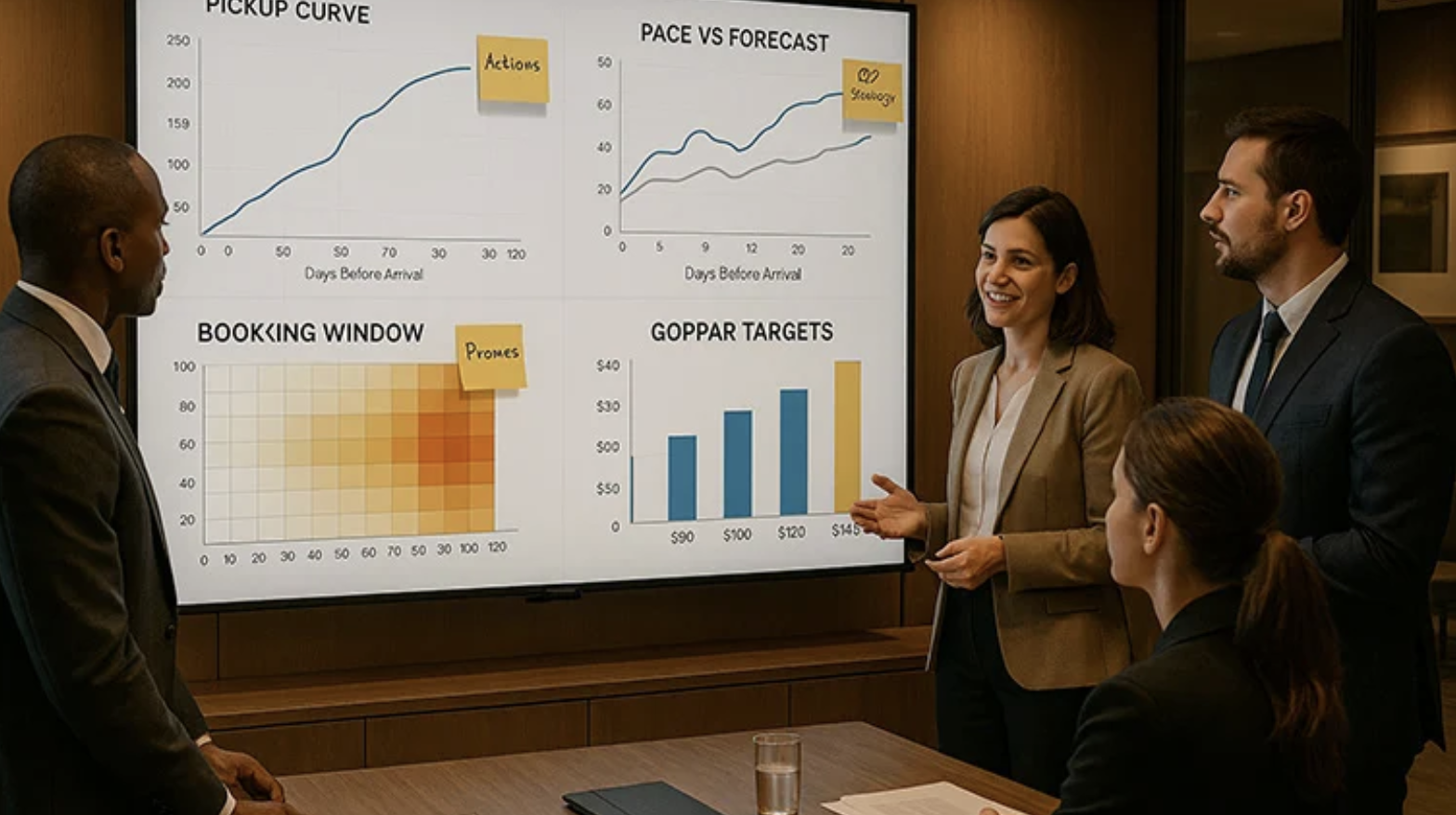
Forecasting that sells: From pickup to profit
The article shows how to turn forecasting into a growth engine by centering on pickup and pace, not just historical averages. It assigns clear roles across revenue, marketing, sales, and operations, then links pickup signals to actions through a simple playbook that boosts visibility first, adds value next, and adjusts price only if needed. It recommends a weekly, dashboard led stand up focused on exceptions, a daily weekly monthly decision cadence, and tracking both forecast error and the impact of actions so teams can connect pickup insight to profit
This is hotels' iPhone moment
The article says travel discovery is shifting to AI assistants and that this moment is as big for hotels as the launch of the iPhone was for apps. It urges hotels to get visible inside AI answers, keep data clean and controlled, and make rooms directly bookable by feeding accurate rates, availability, and rich content. It notes that OTAs are already moving fast, so hotels should act now by tightening metasearch connections, completing listings and reviews, and using on site personalization tools to turn AI driven discovery into direct bookings.
Consolidating your hotel tech stack: How to decide when to replace vs. integrate tools
The article gives a simple framework to decide whether to replace systems or integrate new tools into your hotel tech stack. It compares the real costs of staying fragmented with multiple platforms against the costs of switching, highlighting lost time, missed revenue, and poor data flow as signs you should act. It recommends auditing workflows, mapping data between systems, and choosing the path that reduces manual effort, improves guest experience, and supports revenue goals.

Hospitality and industry 5.0: Are you still optimising for 4.0?
The article says hospitality is moving from pure automation to Industry 5.0, where humans, AI, and sustainability work together. AI handles heavy processing, people make the judgment calls, and long term impact guides choices. In hotels this means using tech to free staff for real service, blending RMS insights with human decisions, designing operations that support team wellbeing, and measuring success by people, planet, and profit rather than speed alone.

A hotelier’s guide to ranking in AI search
The article explains how hotels can rank in AI search by making content clear, structured, and up to date, ensuring listings, reviews, and photos are complete, and connecting live rates and availability so AI answers can show real prices. It recommends writing in natural question and answer formats, using schema markup, keeping data consistent across platforms, and capturing first party data to personalize offers. The goal is to help AI understand the hotel easily and guide travelers to book directly.
Follow on LinkedIn