
Weekly Insights. March 14, 2026
Best hospitality industry articles focused on 💵revenue, 📊markets, and 🎯strategy (Mar 8 - Mar 14, 2026)

ITB Berlin 2026 Innovation Report: Decision speed is becoming a hotel’s competitive advantage
The biggest hotel tech trend from ITB Berlin 2026 was not one single tool but a broader shift toward faster decision making, with new systems helping hotels respond more quickly to guest inquiries, pricing changes, operational issues, and booking opportunities, making speed of action a key competitive advantage.
Feeling anxious about 2026? Here are 6 strategies for managing hotel pricing in an uncertain market
The article explains that hotels should manage uncertain markets by planning for different demand scenarios, watching booking pace instead of just occupancy, avoiding panic discounting, protecting inventory, staying aware of competitors without copying them blindly, and using automation to react faster and protect profitability.

Is your hotel demand forecast stuck in the past? Why relying on historical data could be costing you money
Relying only on past hotel performance can leave revenue teams reacting too late, while a stronger forecast blends historical data with forward-looking search and market signals so hotels can spot demand shifts earlier, price with more confidence, and target promotions more effectively before competitors catch up.

Hotel chatbots explained: Benefits, challenges, and best practices
Hotel chatbots are becoming a practical tool for hospitality, helping properties automate routine guest questions, support bookings and upselling, reduce staff pressure, and collect useful guest data, but the real value depends on thoughtful implementation, smooth system integration, strong privacy safeguards, and keeping human support available when needed.

Why energy volatility may redefine hospitality pricing, guest trust, and operational strategy
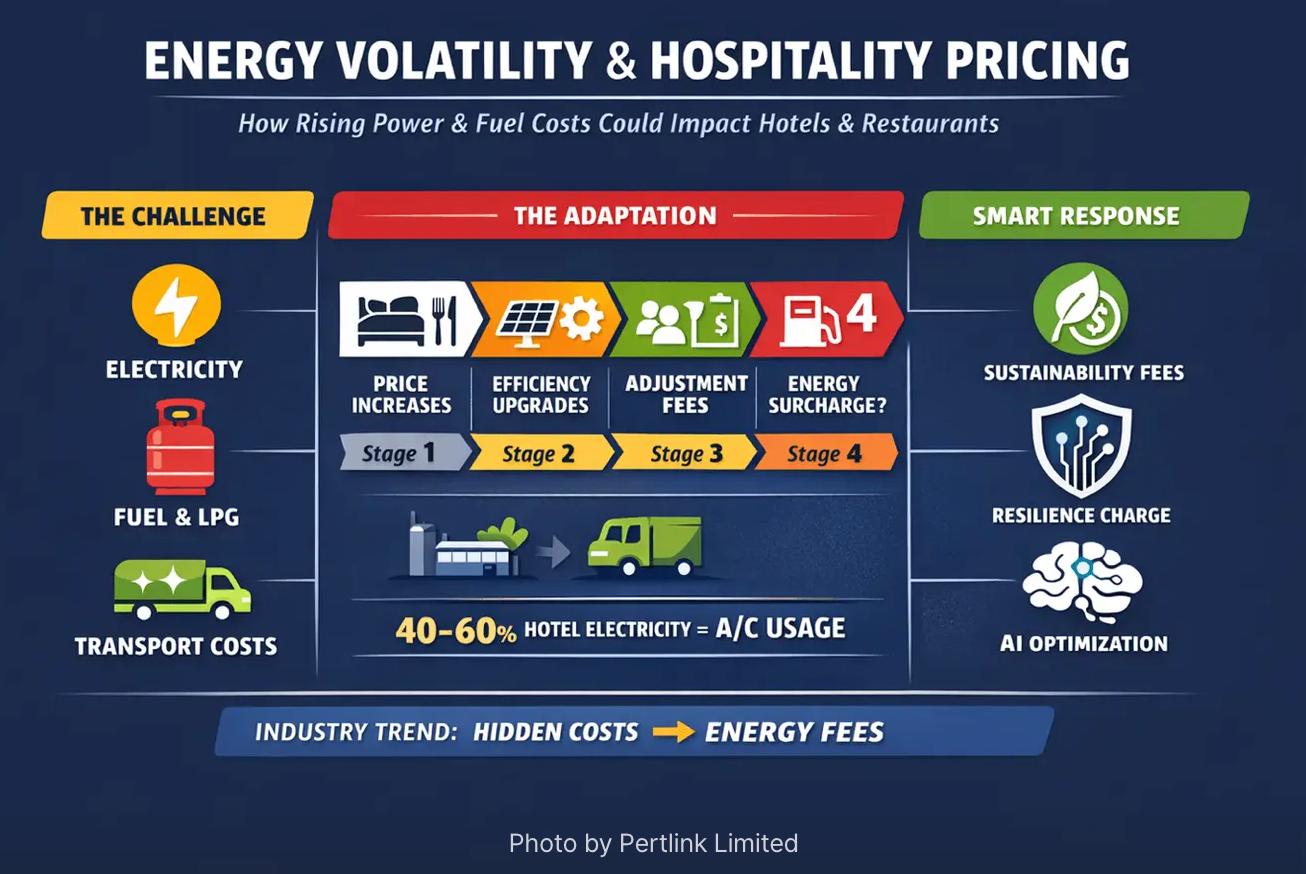
As energy costs become more volatile, hotels may no longer be able to quietly absorb the cost of guest comfort, pushing the industry toward smarter efficiency investments, clearer pricing logic, and possibly even carefully framed energy related fees, with the core message being that the real winners will be the operators who reduce waste first and communicate any added costs in a way that protects trust.
Why your hotel forecast is wrong and how to fix It
Many hotel forecasts miss the mark because they lean too heavily on last year’s numbers, outdated pickup curves, and manual spreadsheets, when what really works is a living forecast built on current pace, external demand signals, segmented scenarios, and regular updates that directly shape pricing and commercial decisions.

OpenAI’s shift shows travel is too complex for quick-fix distribution
Rather than replacing travel intermediaries, the article highlights how OpenAI is pulling back from direct in-chat travel checkout and shifting toward ChatGPT apps, reinforcing the idea that travel booking is too complex to shortcut because payments, servicing, and fulfillment still depend on specialized platforms like OTAs and other travel partners.

Follow on LinkedIn