
Weekly Insights. March 21, 2026
Best hospitality industry articles focused on 💵revenue, 📊markets, and 🎯strategy (Mar 15 - Mar 21, 2026)

ITB Berlin AI Insights
Question for the World Panel experts: If you were at ITB Berlin last week, you probably heard the word “AI” more times than you ever wanted to - so we’d love to cut through the noise and hear your personal conclusion: What’s the one AI takeaway from ITB 2026 that still sticks with you, and why does it matter?
AI in foodservice: Operational value and what it requires
AI in foodservice is presented as a practical response to labor pressure, cost volatility, and the need for consistency, with the article arguing that the real payoff comes not from chasing flashy tools but from using clean data, clear operating standards, and targeted use cases so AI can improve forecasting, staffing, decision making, and efficiency without weakening the human side of hospitality.

The role of remote revenue analysts in hotels
Remote revenue analysts are framed as a flexible way for hotels to strengthen pricing, forecasting, channel mix, and market analysis without adding on site overhead, with the main benefit being faster, data driven decisions that can improve RevPAR and profitability while supporting multiple properties through technology and remote collaboration.

How to conduct an effective hotel displacement analysis
Displacement analysis helps hotels decide whether a group booking is really worth taking by comparing its total value against the revenue that could be earned from transient guests over the same dates, with the key takeaway being that the smartest decisions come from looking beyond room revenue alone and factoring in demand forecasts, ancillary spend, costs, and market conditions before giving up valuable inventory.

European hotel transactions report 2025
European hotel investment picked up in 2025 as lower interest rates, easing inflation, and resilient travel demand helped restore confidence, but investors still stayed selective, with the strongest appetite centered on upscale and upper upscale assets because they offered the best mix of liquidity, scalability, pricing power, and balanced leisure plus corporate demand across the region.

The capacity illusion
The post argues that many hospitality businesses confuse theoretical capacity with real capacity, because what limits performance is often not the number of rooms or seats available but hidden operational bottlenecks like housekeeping, kitchen throughput, staffing, or entry flow, and the bigger opportunity now is that AI and connected data can finally make those invisible constraints visible so managers can reduce lost revenue and manage demand against what the operation can actually deliver.

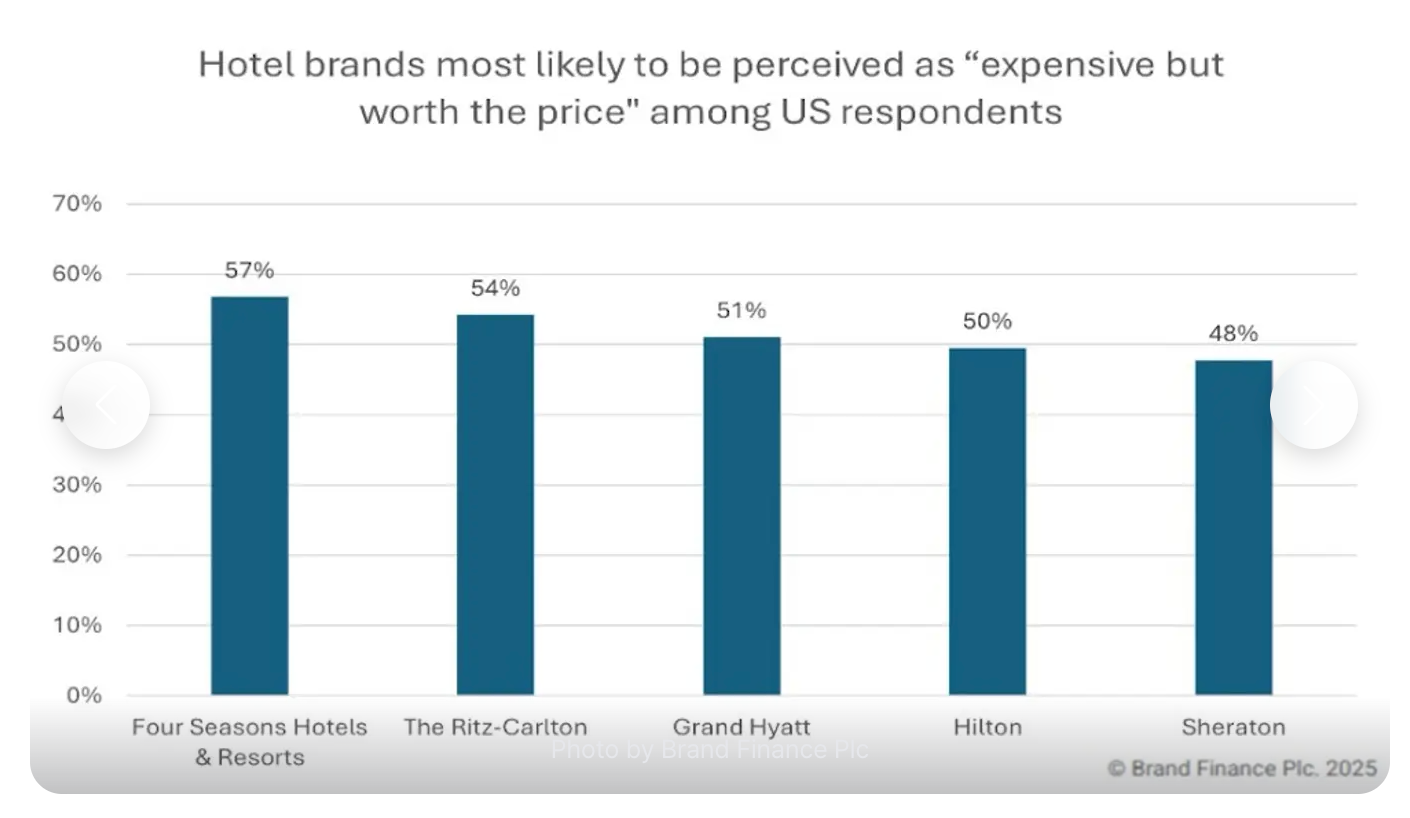
Is luxury getting overcrowded? When every hotel looks premium, how do the best stand apart?
Luxury is getting harder to define because upscale and lifestyle hotels now deliver many of the design, service, and experience cues that once belonged mostly to traditional luxury, so the brands that still command a true premium are the ones offering something more distinctive, emotionally resonant, and difficult to replicate rather than relying on prestige alone.
Follow on LinkedIn