
Weekly Insights. May 2, 2026
Best hospitality industry articles focused on 💵revenue, 📊markets, and 🎯strategy (Apr 26 - May 2, 2026)

What will be the impact of Agentic AI in hospitality: significant as the Internet or as insignificant as blockchain and the metaverse?
There have been heated discussions in hospitality about the impact of agentic AI on the industry. From proponents predicting that it will “change everything in travel and hospitality”, to detractors who are skeptical about its immediate value proposition and useful applications. In the past, we have had similar heated discussions about the impact of the Internet, blockchain and the metaverse.
Agentic AI in travel and hospitality is a type of AI that makes autonomous travel decisions and takes actions to achieve specific tasks and goals, from travel planning, research of locations, amenities and rates, to booking hotels, flights and all of the necessary travel auxiliaries to make their master’s trip a success.
Some experts believe that agentic AI will disintermediate the OTAs and allow hoteliers to sell directly on the GenAI platforms like ChatGPT, Claude, Grok and Gemini.
Other experts believe Google’s approach to agentic AI is the correct one. In Google’s own words: “To make agentic AI a reality, Google is working on building out the experience with industry partners such as Booking..com, Expedia, Marriott International, IHG Hotels & Resorts, Choice Hotels International and Wyndham Hotels & Resorts.”
The question is, what will be the impact of Agentic AI in hospitality: significant as the Internet or as insignificant as blockchain and the metaverse?
Boutique hotels defined: Unique experiences & differences
The article explains what boutique hotels are and how they differ from standard hotels through size, service, design, and local character, then moves into why the segment is growing, what today’s travelers want from boutique stays such as vibe, authenticity, personalization, and wellness, and where the business gets harder through distribution costs, staffing, revenue management, and branding pressure, before ending with a discussion of how global chains are absorbing the category through lifestyle and soft brands and what that means for the future of true boutique identity.

Why Business Intelligence matters for hotels: Unlocking revenue potential
The article is a broad introduction to business intelligence in hotels, explaining what BI actually is, where the data comes from, and how hotels can use it across pricing, forecasting, operations, marketing, and guest experience, then moving into the connection between BI and AI through tools like dynamic pricing, personalization, sentiment analysis, and automation, before ending with a basic implementation roadmap for hotels that want to start using data more systematically to improve revenue and efficiency.

Critical hotel data is sitting in your team chat on personal devices
The article argues that many hotels still run important internal communication through personal apps like iMessage or WhatsApp, then explains why that creates hidden problems around guest data security, staff turnover, compliance, and day to day execution, using a hotel example to show how information gets lost or walks out the door with employees, before contrasting that with managed staff communication platforms that offer access control, audit trails, shift continuity, and data ownership.

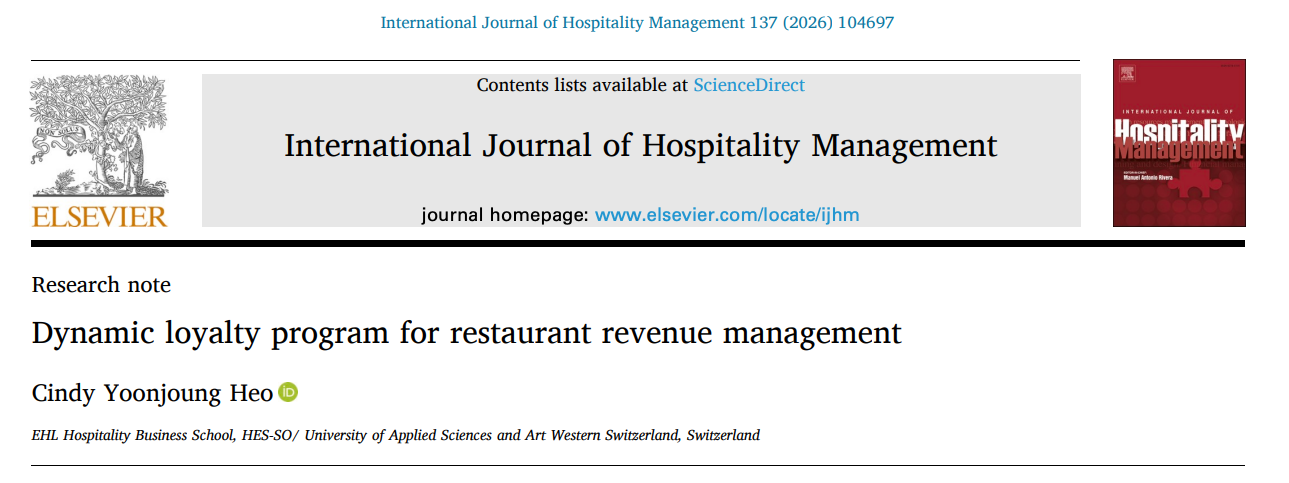
Dynamic loyalty program for restaurant revenue management
This study introduces a novel revenue management strategy for restaurants: dynamic loyalty programs aimed at shaping customer behavior, optimizing table utilization, and boosting revenue. Unlike traditional dynamic pricing—commonly applied in hotel revenue management and often criticized for leading to customer dissatisfaction due to perceived unfairness—this approach uses loyalty points as incentives to encourage guests to dine during off-peak periods, without modifying menu prices. A scenario-based experimental design was used to assess customer responses, with a particular emphasis on the psychological trait of locus of control. The findings reveal that younger consumers and those with a strong internal locus of control are particularly receptive to these incentives, underscoring the potential for developing personalized, behaviorally driven loyalty programs as an effective revenue management strategy in the restaurant industry.
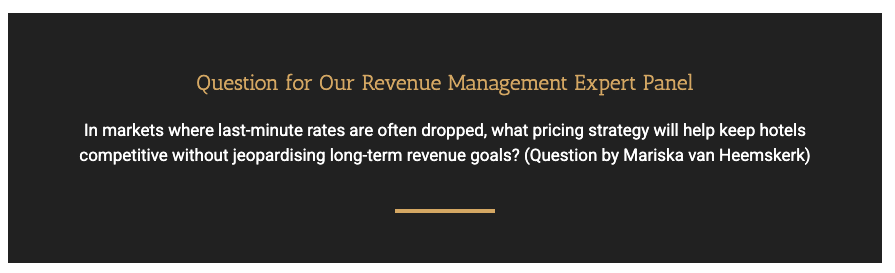
How can hotels stay competitive without slashing last-minute rates?
Uber adds hotels, leans on loyalty to drive bookings
The article covers Uber’s push deeper into travel by adding hotel booking through Expedia Group, then explains how the offer is being tied to Uber One loyalty perks like hotel discounts and credits, why Uber sees this as part of its broader super app strategy, what analysts think about Uber trying to move from an in destination utility into a pre trip planning platform, and how AI voice booking, travel recommendations, and other travel features fit into that larger expansion.

Follow on LinkedIn