

Weekly Insights. February 28, 2026
Best hospitality industry articles focused on 💵revenue, 📊markets, and 🎯strategy (Feb 22 - Feb 28, 2026)

The life of a slipper: Spa & Wellness form and function
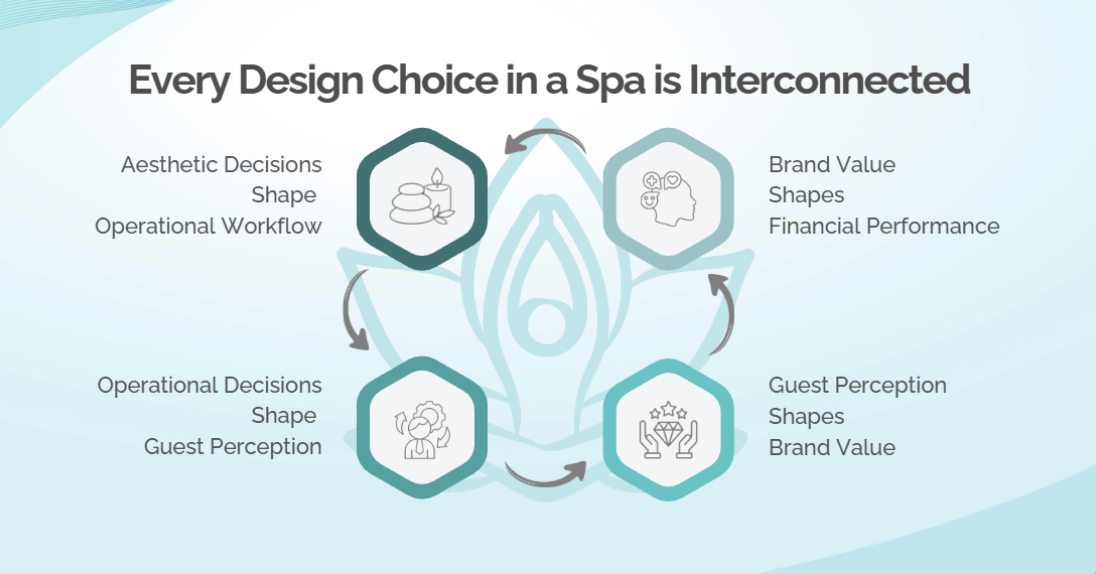
The article uses the simple decision of disposable versus reusable spa slippers to show how small design choices reveal bigger truths about a wellness space. It explains that the best spas balance form and function so the space feels emotionally calming for guests while also working smoothly for staff, with clear effects on sustainability, back of house layout, laundry and storage needs, brand messaging, and operating costs. By treating the slipper choice as a early design test, the article shows how aligning guest journey, operations, and financial feasibility helps a spa become a true revenue engine and brand signature instead of a beautiful but inefficient cost center.
What hotel asset managers should expect from revenue management in 2026
The article says that by 2026 revenue management should function as an asset performance tool, not just daily pricing. Asset managers should expect it to connect decisions to NOI, protect long term rate position, reduce volatility, and provide credible rolling forecasts with scenarios and early warnings. It should push back on unprofitable sales deals using clear displacement logic, manage channel mix based on cost of acquisition and contribution, rely on automation for routine work while applying human judgment in high risk periods, and report in a short decision focused way that supports long term value.

The 3 levels of pricing architecture: where is your profitability decided? (Part 2)
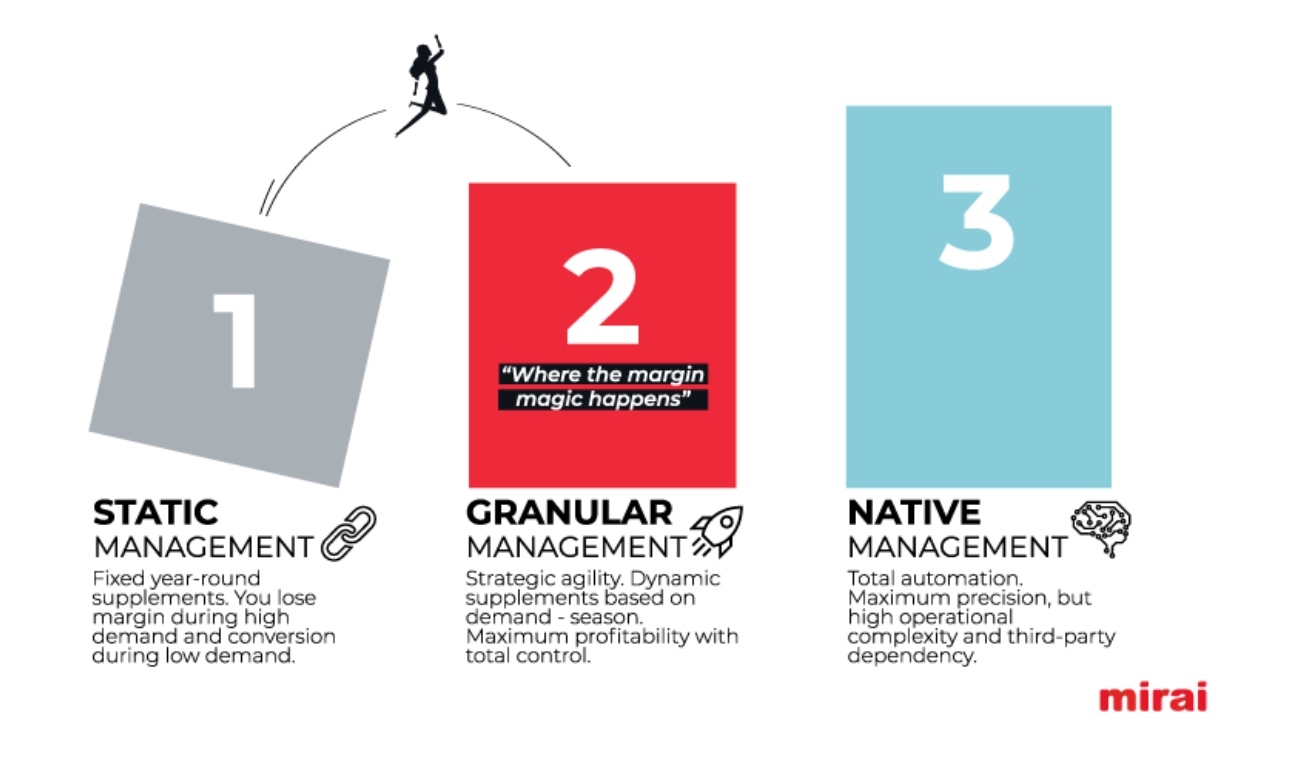
This article explains how different pricing structures in hotels affect profitability, focusing on occupancy supplements and showing that the best option for most hotels is a flexible, demand-based approach that helps the direct channel stay competitive, improve margins, and sometimes generate more net revenue even at a lower final price.
Agentic hotel bookings: What are we actually talking about here?
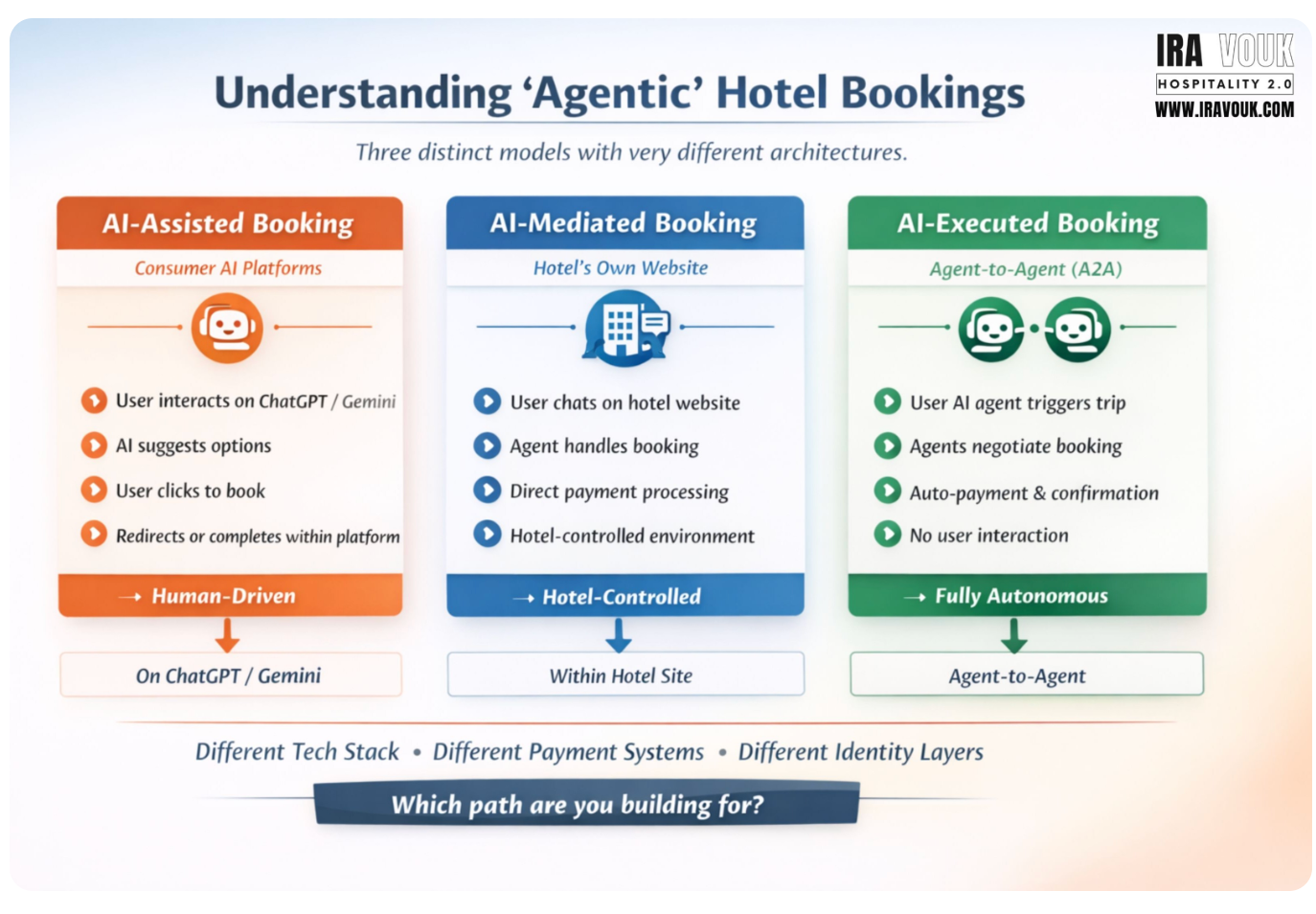
This article says that “agentic hotel booking” is being used too loosely and actually refers to three different models: AI-assisted booking on consumer platforms, AI-mediated booking on a hotel’s own website, and fully AI-executed agent-to-agent booking, with the main point being that each model requires very different technology, payment, identity, and control frameworks, so hotels should stop treating them as the same thing
Hotel investment analysis: Using market data to evaluate opportunities before acquisition
This article explains that hotel investors should evaluate markets and submarkets before analyzing individual properties, using long-term performance data, supply and demand trends, risk patterns, and forecasts to make more disciplined pre-acquisition decisions and build more realistic underwriting assumptions.

How to tell if your revenue strategy is actually working
This article says a hotel revenue strategy is working when results feel structured and intentional rather than reactive, with stronger business mix, better forecast accuracy, less panic discounting, and clearer team alignment, meaning success should be measured by consistent profitability and control, not just high occupancy.

How to stop guests from running back to OTAs
This article says many hotels do not have a traffic problem but a conversion problem, arguing that guests often leave the hotel website because of small decision frictions like unclear room differences, confusing rate details, uncertain cancellation terms, and too much complexity, then return to OTAs because OTAs make comparisons and decisions feel easier, so the real opportunity is to improve how the hotel website guides booking decisions and reduces abandonment.

Follow on LinkedIn