

Weekly Insights. July 11, 2026
Best hospitality industry articles focused on 💵revenue, 📊markets, and 🎯strategy (Jul 5 - Jul 11, 2026)

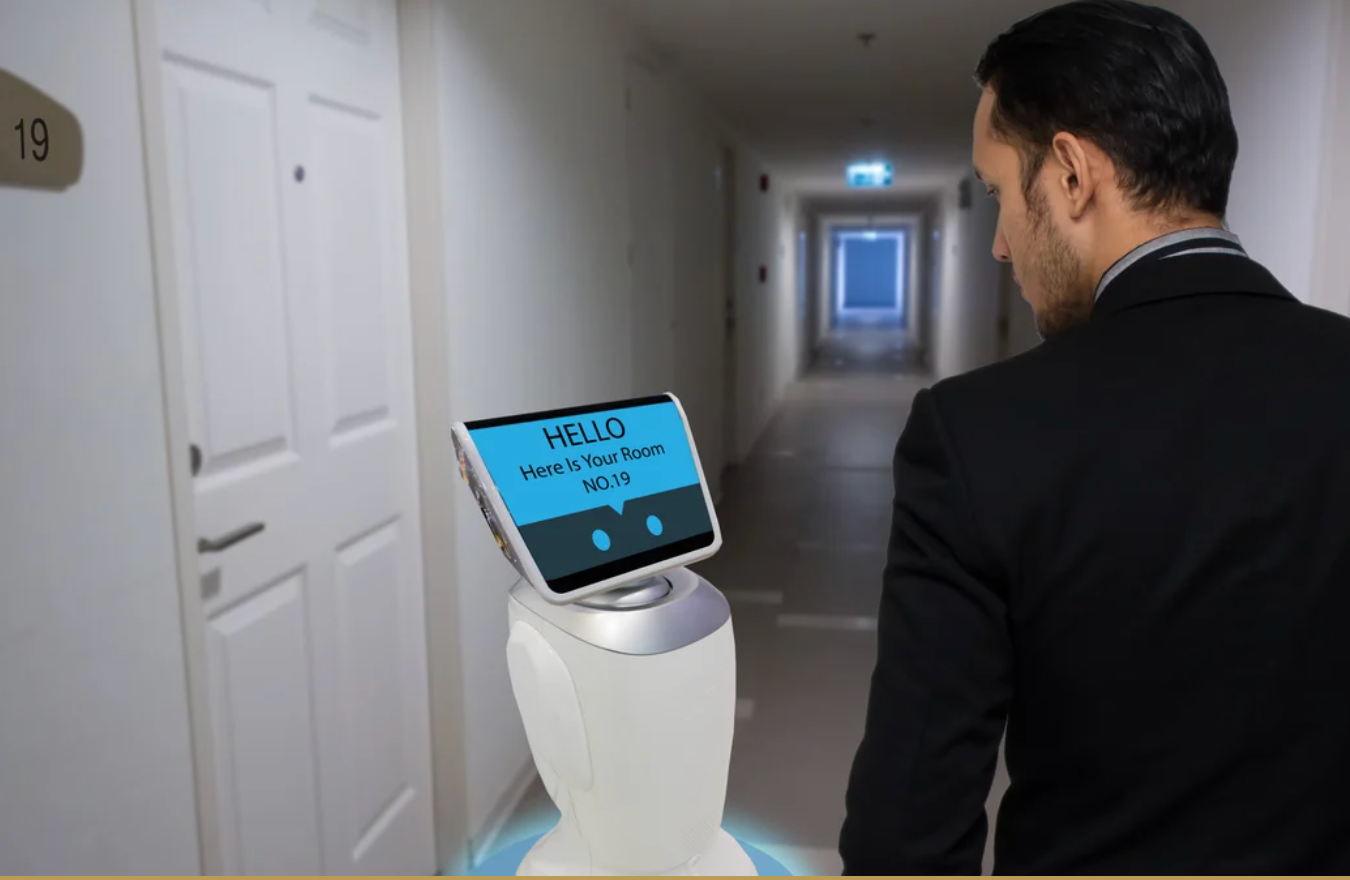
Hotel Robots: Integrating automation in hospitality
The article is a broad guide to hotel robots, covering the main use cases in room delivery, housekeeping, front desk, concierge, and security, then moving into purchase and leasing costs, potential labor savings and ROI, the operational challenges around integration, Wi-Fi, training, and maintenance, and the wider debate over whether automation can improve efficiency without weakening the human connection that guests still expect from hospitality.
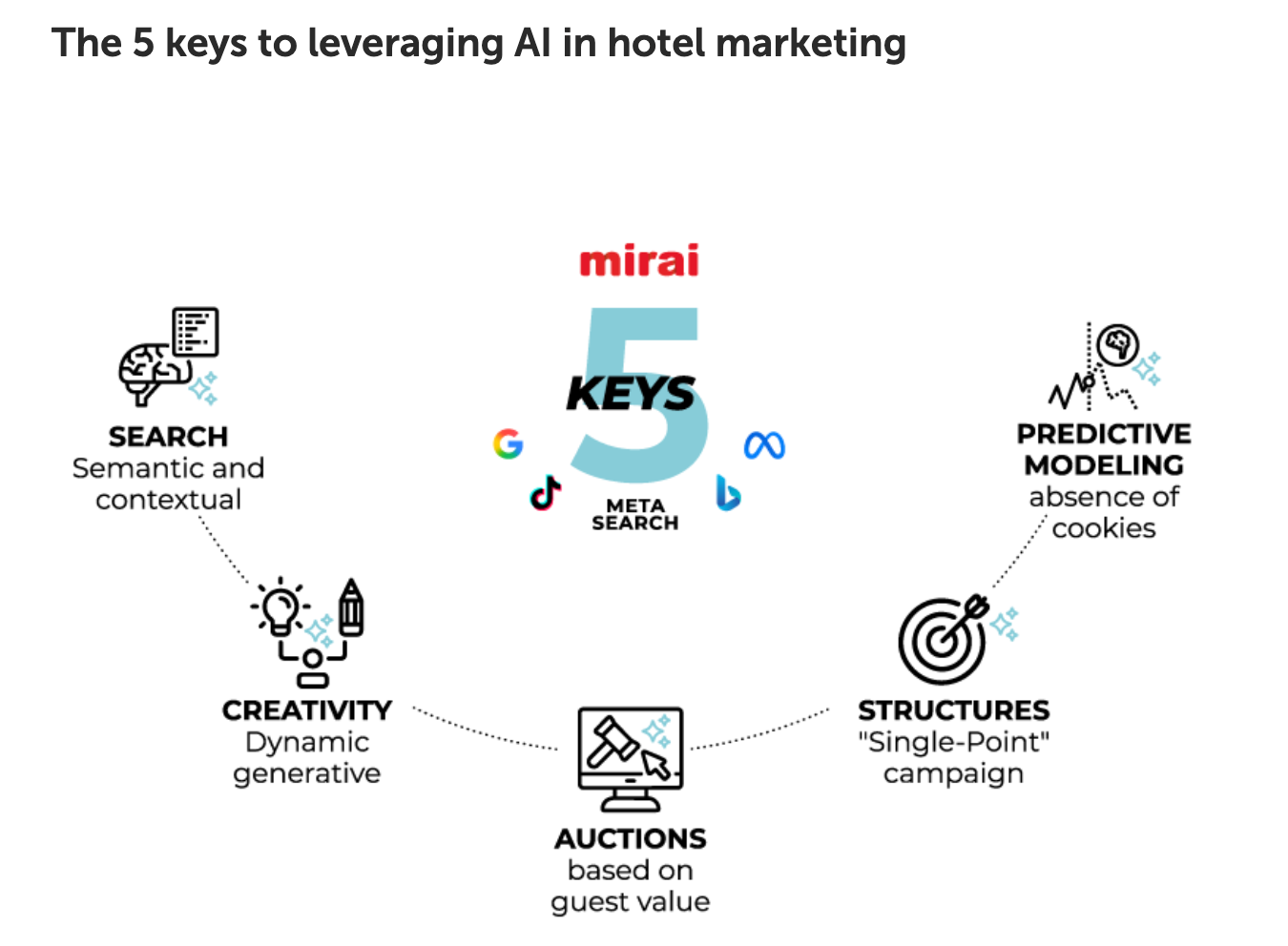
Fewer, smarter campaigns: an AI guide to upgrading your hotel’s digital marketing (Part 1)
The article explains how AI is reshaping hotel digital marketing from many narrowly separated campaigns into fewer, smarter campaigns that can handle prospecting, remarketing, personalization, and channel selection together, then walks through tools like Performance Max for Travel, Demand Gen, and AI Max for Search, with practical guidance on how hotels should reorganize budgets, creative assets, feeds, measurement, and oversight to gain efficiency without giving up commercial control.
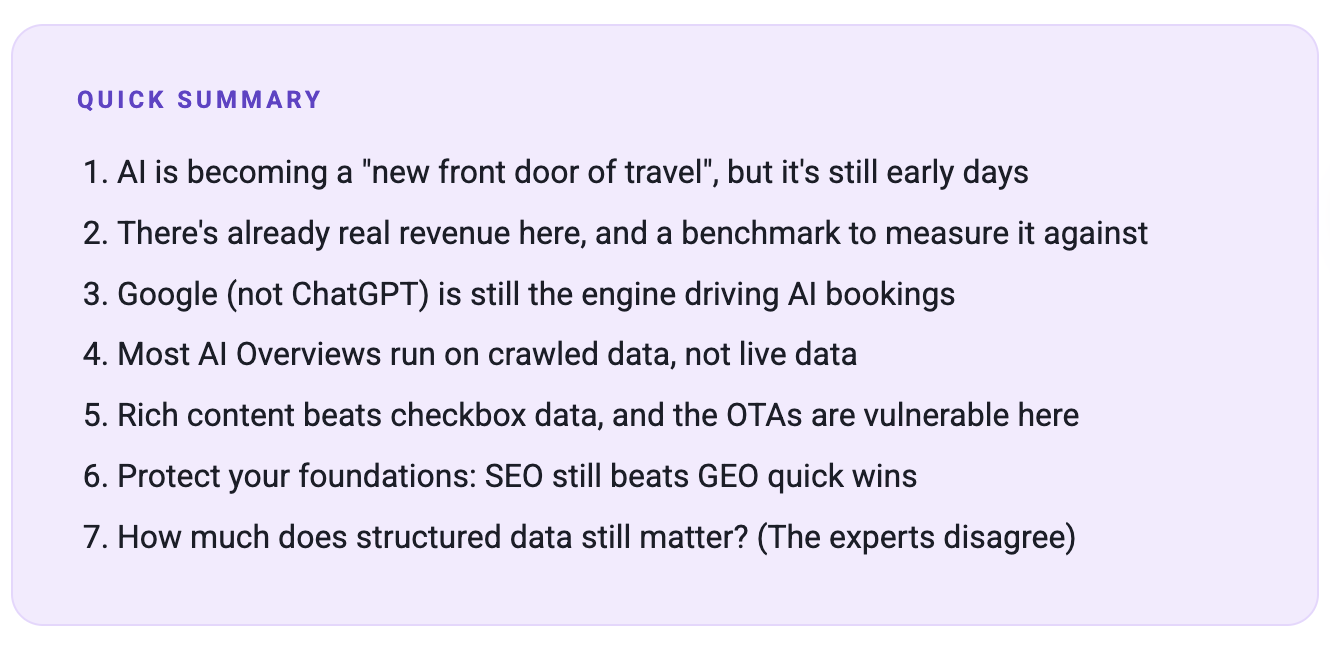
Google updates and what they mean for your direct channel
The article summarizes what Google’s rapid shift toward AI Overviews and AI Mode means for hotel direct bookings, covering why Google still matters more than ChatGPT for current booking volume, how AI results rely heavily on crawled website content rather than live data, where hotels can beat OTAs through richer room descriptions, images, and nuanced property details, why strong SEO remains more important than chasing GEO shortcuts, and what hotels should do now to protect visibility, metasearch performance, and direct traffic as AI increasingly becomes the starting point for travel search.
Why the obvious rate move is often the expensive one
The article uses real hotel pricing examples to show why an apparently obvious rate move can be wrong, covering when soft pace reflects weaker demand versus a shorter booking window, how premature discounts can displace higher-rated late demand, why high event rates may fail because of restrictive terms rather than price, and when a deliberately lower, more flexible strategy can capture longer stays and stronger surrounding-night performance, with the broader focus on combining pace, market behavior, restrictions, competitor position, and local knowledge before changing rates.

6 Revenue management strategies to protect profits in unstable markets
The article lays out six practical ways hotels can protect profit when demand is unstable, covering shorter forecasting windows, pricing from live booking data instead of blindly following competitors, protecting revenue management and direct booking infrastructure from budget cuts, refocusing on the most profitable segments, evaluating groups by total contribution rather than room rate alone, and maintaining pricing discipline so the hotel can react quickly when demand begins to recover.
The end of the stand-alone asset manager
The article argues that hotel asset management has become too complex for a single stand-alone generalist, then explains why institutional owners increasingly need specialist firms that combine financial, commercial, technical, legal, ESG, and operator-negotiation expertise, portfolio-level leverage, and AI-supported analysis, with the broader case being that modern asset managers must move beyond reporting problems and instead bring fully developed, owner-focused solutions that protect profit, capital, and long-term asset value.

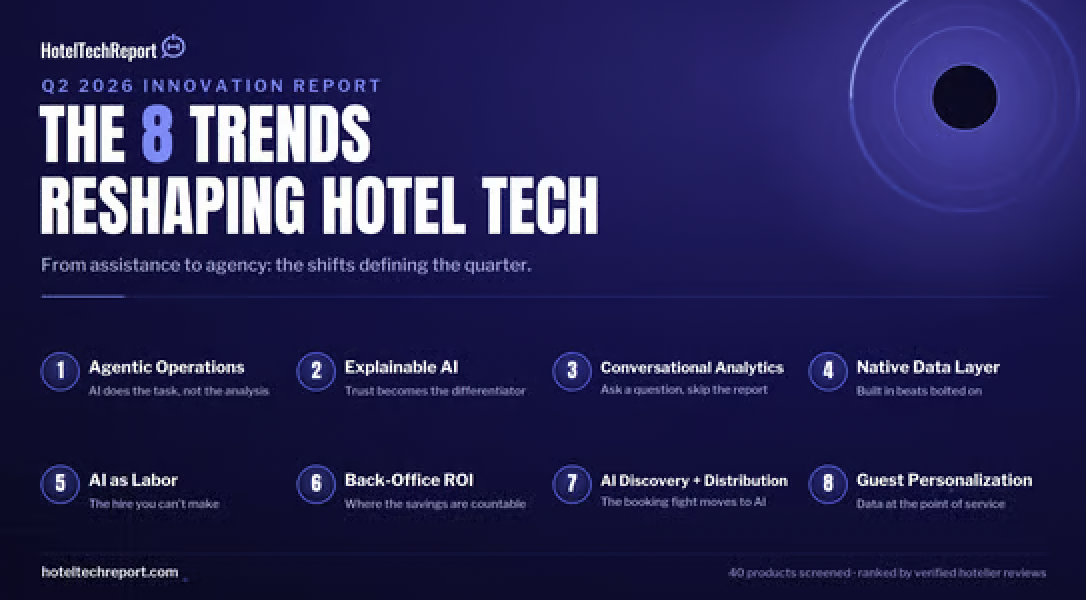
Hotel Tech Innovation Report: AI Trends & Tactics (Q2 2026)
The report reviews 40 hotel technology products from Q2 2026 and organizes them into eight major AI trends, with the central theme that hotel AI is shifting from recommending actions to completing work itself, then covering examples across automated pricing, conversational analytics, group lead response, direct booking visibility, guest messaging, personalization, finance, and operations, while emphasizing explainability and human oversight for exceptions and higher-risk decisions.
Follow on LinkedIn