

Weekly Insights. June 6, 2026
Best hospitality industry articles focused on 💵revenue, 📊markets, and 🎯strategy (May 31 - Jun 6, 2026)

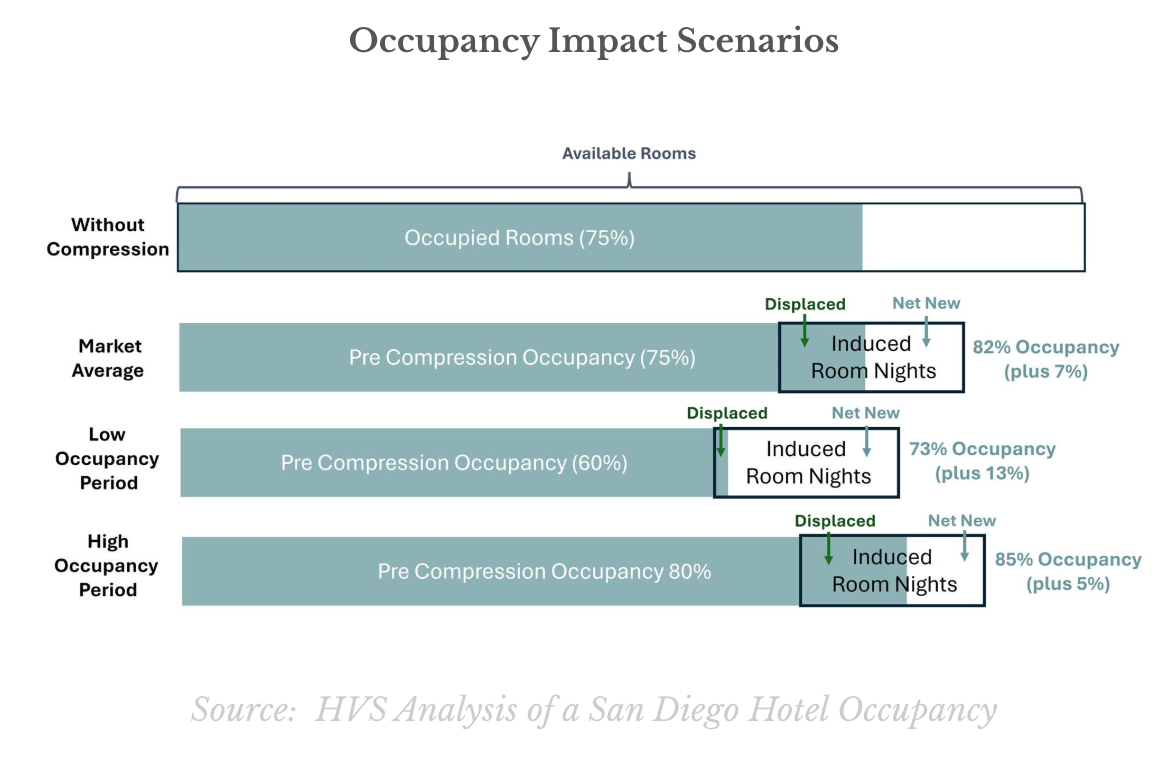
How convention centers change hotel markets
The article explains how convention centers affect hotel markets using a more detailed method than the usual room-night estimate, focusing on how events change occupancy, ADR, and total lodging revenue across entire markets and submarkets, then showing through examples like San Diego, Austin, and Louisville that convention demand has different effects depending on how compressed the market already is, with off-peak events creating more net new room nights and peak-period events driving more pricing power and revenue through ADR growth.
Why the 2026 World Cup hasn’t yet delivered the hotel boom many expected
The article examines why the 2026 World Cup has not produced the broad hotel boom many expected, looking at booking patterns across host cities, why early forecasts were distorted by room blocks and assumptions around ticket sales, how domestic demand is showing up differently from international demand, why traditional mega event pricing tactics are falling short, and what revenue teams should be doing instead through more frequent re-forecasting, city specific strategy, and match day level pricing decisions.
NetRevenue by micro-segment: Where real profit hides
The article is about looking past channel level reporting and finding hotel profit at the micro-segment level, arguing that the real question is not whether OTA or direct is cheaper but which combinations of segment, feeder market, rate code, room type, length of stay, booking pace, and other variables produce the strongest net revenue, then walking through a NetRevenue framework that includes full customer acquisition cost, labor allocation, two-variable segment analysis, and the commercial decisions that should follow around pricing, contract negotiation, and where sales and marketing effort should actually go.

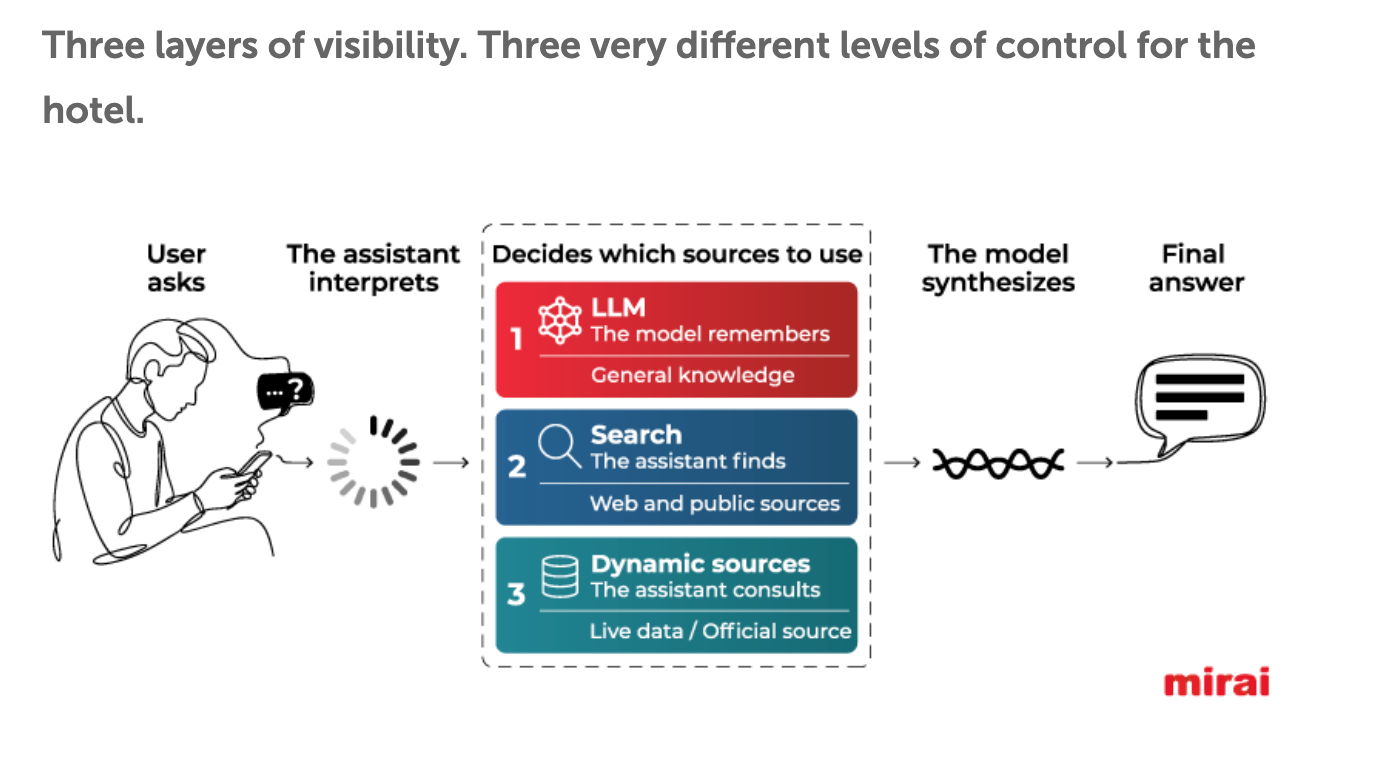
How a hotel appears in AI assistants: the three layers of visibility
The article breaks down how hotels appear inside AI assistants like ChatGPT, Gemini, and Claude by separating visibility into three layers: what the model already “knows,” what the assistant can find through web search, and what it can pull from live connected systems, then explains how each layer works, how much control hotels actually have over each one, what changes as the traveler moves from inspiration to booking, and why the most important long term advantage may come from having structured, verifiable, real time hotel data ready for assistants to access directly rather than relying only on SEO or brand mentions.
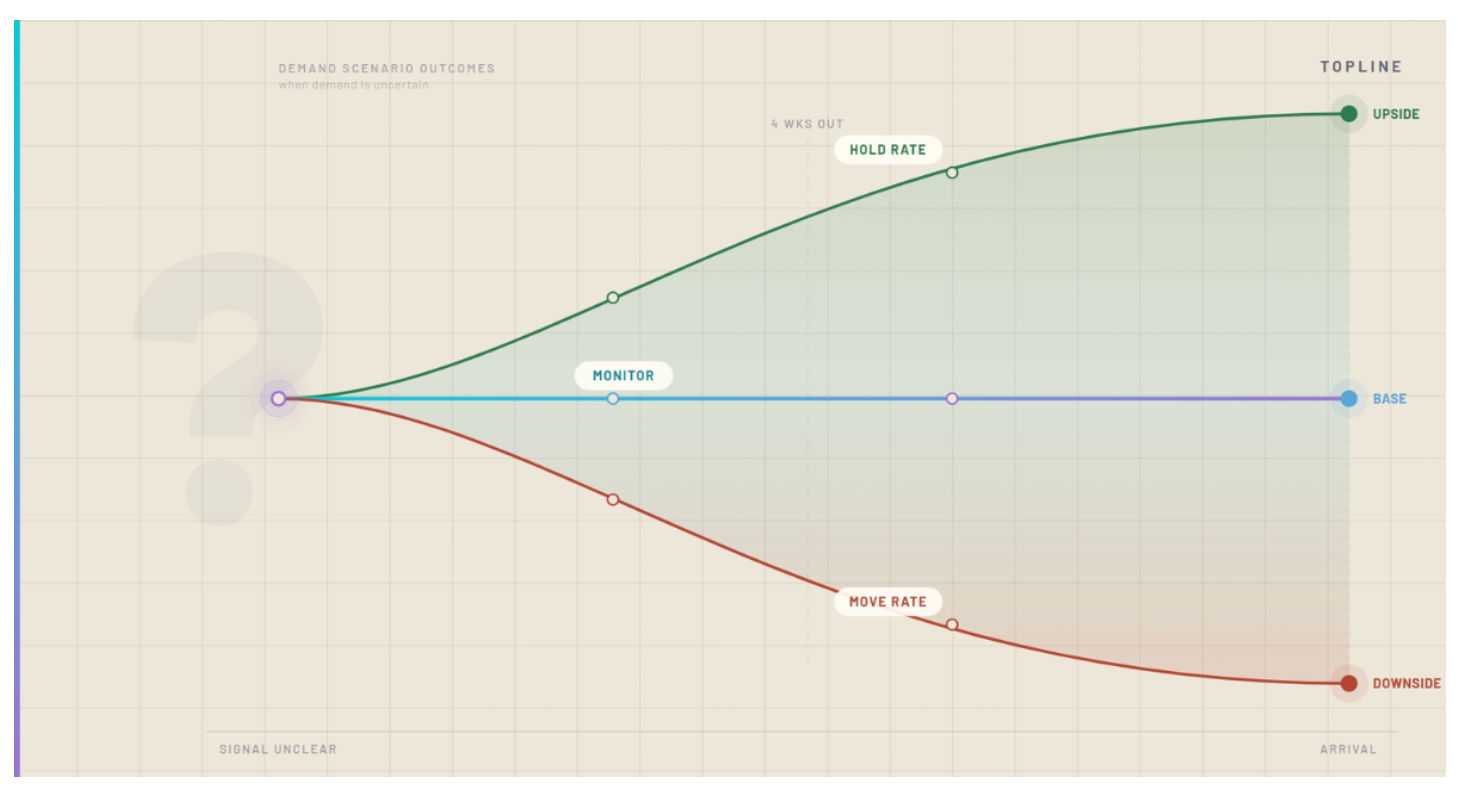
How the best hotel operators think about pricing when demand is uncertain
The article is about how strong hotel operators handle uncertain demand without falling into panic discounting or stubborn rate holding, breaking the topic into practical areas like the difference between uncertainty and true soft demand, how rate floors should be reexamined, why conversion data often matters more than instinct, how length of stay controls, fenced offers, and overbooking fit into the strategy, how to read comp set behavior without blindly following it, and why scenario forecasting, earlier timing, and segment mix decisions usually matter more than simple headline occupancy when demand signals are mixed.
Why hotels are optimizing revenue and losing profit
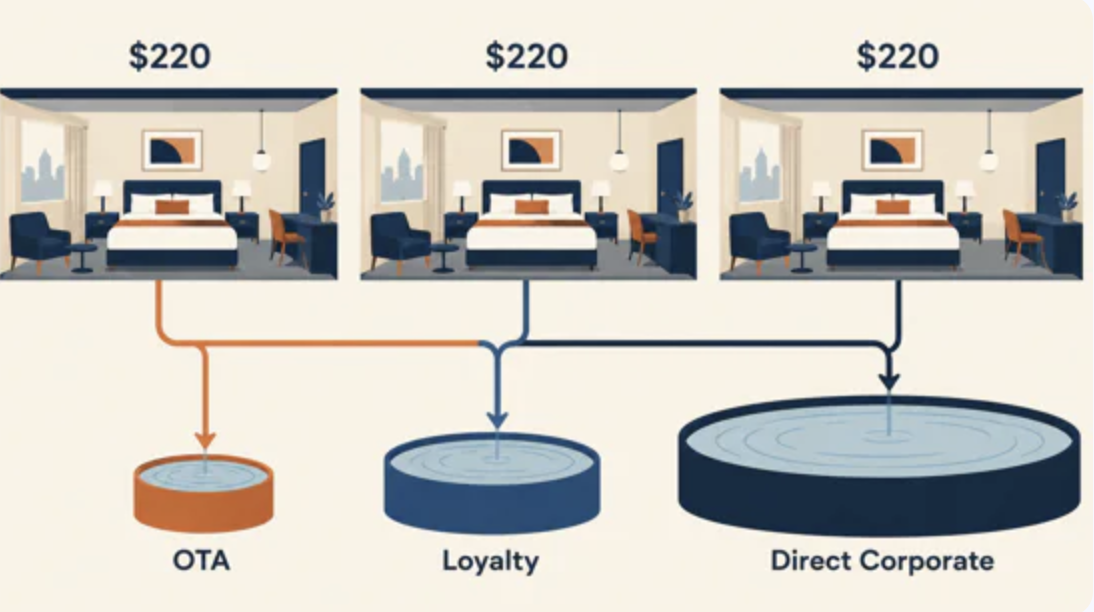
The article argues that hotels can hit revenue targets and still lose profit because most commercial decisions are still judged by top line metrics like ADR, RevPAR, and occupancy rather than by net contribution, then walks through how the same room at the same rate can produce very different profit depending on channel, acquisition cost, cancellation risk, loyalty expense, and labor impact, before shifting into what a more advanced model looks like, with revenue, finance, operations, and sales using shared profit based metrics such as net ADR, breakeven per room, channel contribution, and staffing aligned forecasts.
Data doesn’t book meetings. People do.
The article looks at the tension between hotel sales technology and the human side of group business, arguing that data can help identify demand, timing, and target accounts but cannot replace the trust, relationship building, and persuasion needed to actually win meetings, so it is mainly about how sales teams should use data as a guide for smarter outreach rather than treating analytics alone as the thing that closes business.

Follow on LinkedIn