

Weekly Insights. May 16, 2026
Best hospitality industry articles focused on 💵revenue, 📊markets, and 🎯strategy (May 10 - May 16, 2026)

Are AI connectors solving a problem that does not exist?
If the future of travel depends on users connecting apps, activating connectors inside their ChatGPT or Claude, and orchestrating systems they neither know nor care about, are we building for real travelers, or for an imaginary one?
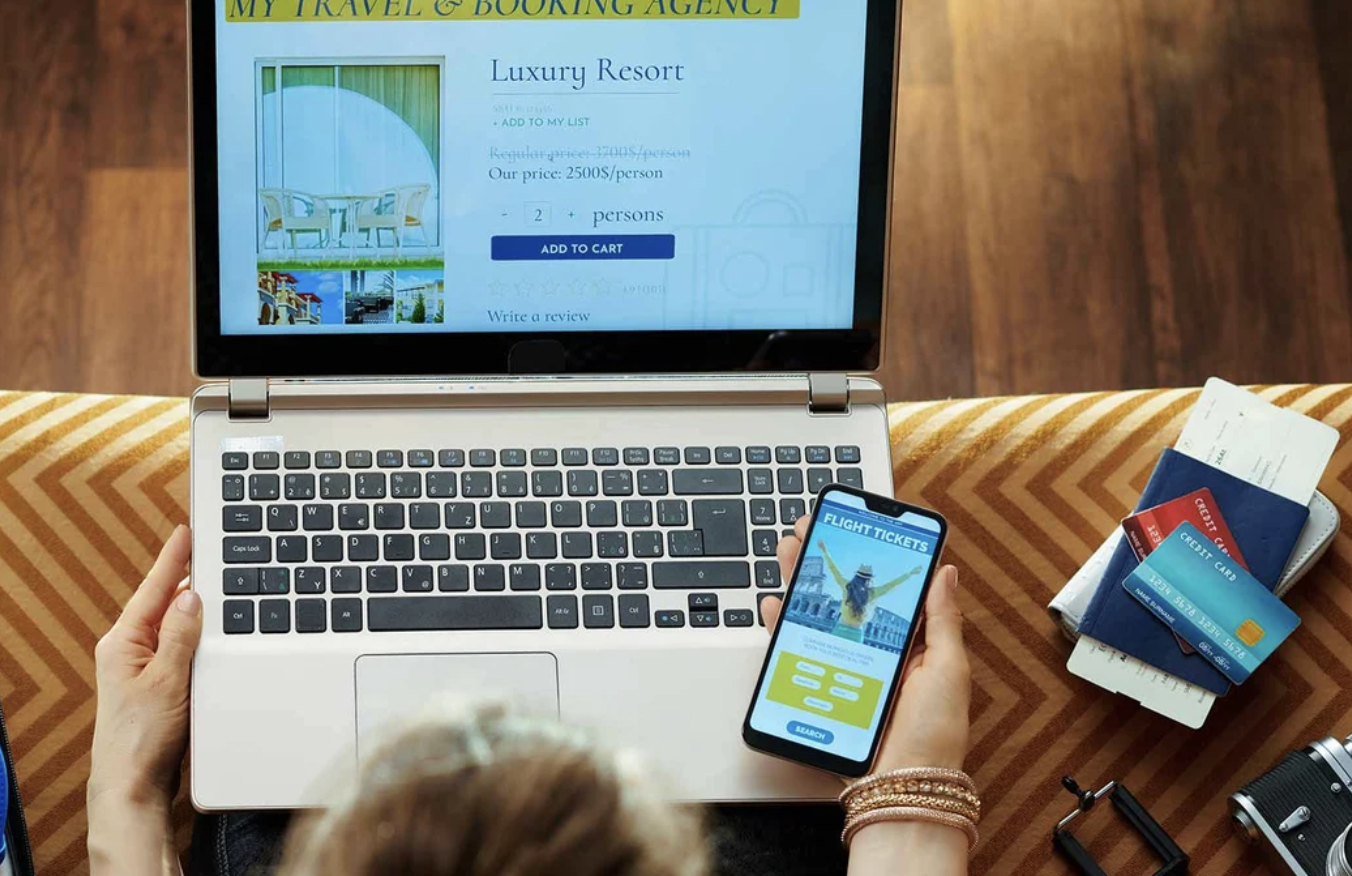
Hotel OTAs: Their business model explained [With Complete List]
The article is a broad guide to OTAs in hospitality, explaining what they are, how they work, why hotels use them, and where they create tension through commissions, rate control, and guest ownership, then moving into the pros and cons for hoteliers, the biggest OTA players, how OTA strategy fits into distribution and revenue management, and what hotels can do to reduce dependence by strengthening direct bookings and using OTAs more strategically rather than treating them as purely good or bad.
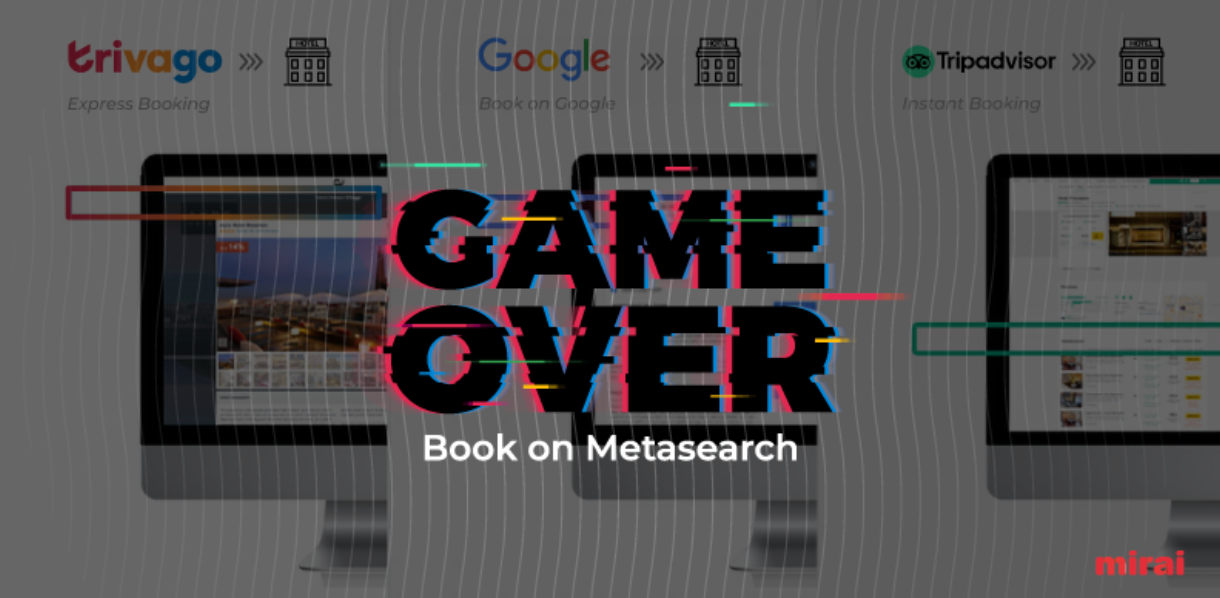
The end of the “Book on Metasearch” era
The article looks back at the rise and collapse of “Book on Metasearch” models such as Book on Google, Tripadvisor Instant Booking, and Trivago Express Booking, explaining why the idea of completing a hotel booking inside a metasearch platform never fully worked, then walking through the main reasons it failed, including weak adoption, merchant of record confusion, trust issues, limited flexibility for hotel pricing and loyalty strategies, and the fact that hotel websites eventually caught up technically, before ending by comparing that history to today’s agentic AI booking push and asking whether AI can avoid repeating the same mistakes.
What skills do hotel revenue managers need in the AI era?

Mobile only price: What it means and how hotels can use it
The article explains what mobile only hotel pricing actually is, how these app exclusive OTA discounts are set up through tools like Booking.com and Expedia, why hotels use them to boost visibility, win more smartphone and last minute bookings, and reach younger travelers, then gets into the tradeoffs around margin erosion, rate parity, and direct booking strategy, before also touching on related tactics like country rates and price per guest pricing and ending with advice on monitoring competitor mobile discounts.

Where guest engagement and technology meet for boutique hotels
The article looks at how boutique hotels can use technology without losing the personal, human feel that makes them distinctive, covering changing guest expectations around personalization and unique experiences, the role of data and tech across the full guest journey from pre booking to post stay, the importance of feedback and online reviews as a source of insight, and the bigger challenge of choosing tools that genuinely improve the guest experience instead of adding tech for its own sake.

Is Uber expanding into hotel bookings good or bad for the industry?
Uber just announced that it will start offering hotel bookings in partnership with Expedia.
Uber users in the U.S. will have access to a wide selection of hotels, an offering which will grow overtime to the full to 700k+ properties on the Expedia platform. Vacation rentals from Expedia’s Vrbo will be added later this year. Global launch is expected in the future.
This is yet another step in Uber’s strategy to become an “app for everything.”
The 46 million U.S.- based Uber One members, part of the paid membership program with subscription fees of $9.99/month or $99.99/year, will earn 10% back in Uber One credits on all hotel bookings, and save 20% on a rolling list of over 10k hotels.
In return, Expedia will add Uber rides directly in the Expedia mobile app beginning in June, and travelers will start receiving push notifications before hotel check-in to book discounted Uber rides.
Follow on LinkedIn