Weekly Insights. May 23, 2026
Best hospitality industry articles focused on 💵revenue, 📊markets, and 🎯strategy (May 17 - May 23, 2026)

Will AI Search benefit the direct online channel or the OTAs?
There have been a lot of buzz lately about AI Search and the impact it already has on travel discovery, planning and bookings.
Some experts claim that AI platforms like ChatGPT, Claude and Google’s Gemini threaten the aggregator-dependent business model by delivering instant details, recommendations, and bookings, bypassing sites like Expedia and Booking.
Others claim that AI platforms like ChatGPT are in dire need to monetize their traffic and that the OTAs provide a shortcut to ready-to wear affiliate commission programs plus quick access to 750,000 hotels, 2.5 million short-term rentals, 400 plus airlines, 150 car rental companies, etc.
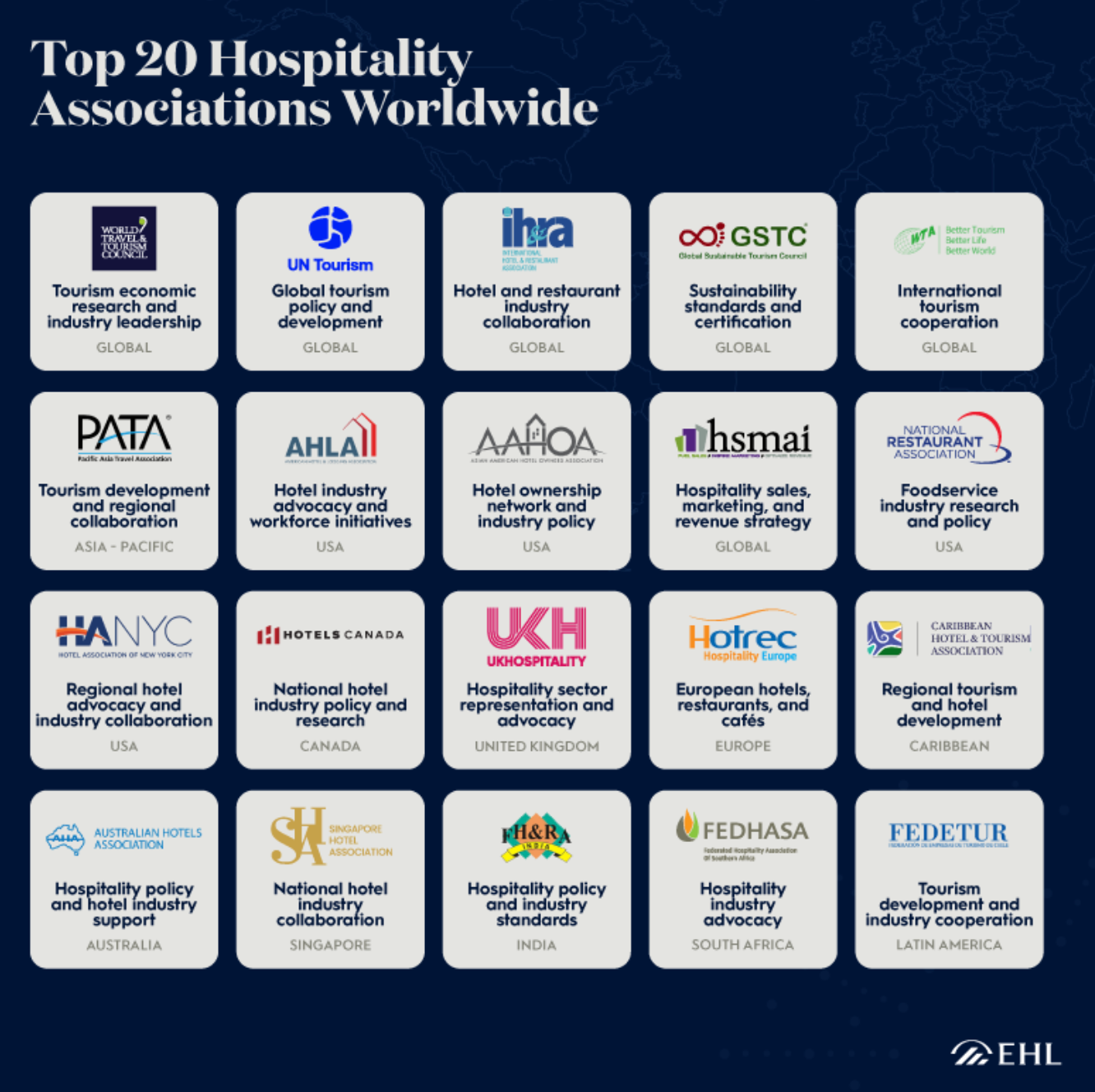
Hospitality associations: Leading hotel and tourism industry organizations
The article is a guide to the main hospitality associations around the world, explaining what these organizations do, why they matter for policy, education, networking, standards, and career development, then organizing the landscape into global bodies, major U.S. hotel associations, regional groups across different parts of the world, and discipline specific organizations for areas like sales, revenue, finance, technology, consulting, and culinary leadership.
The independent hotelier’s AI routine: How to save an hour a day on pricing, distribution and operations
The article is a practical walkthrough of how an independent hotelier could use AI to reduce repetitive daily work across pricing, distribution, and reservation tasks, showing what the manual routine usually looks like, how AI tools can shorten competitor rate checks and price updates, how channel changes and availability can be synced automatically, how reservation edits and pre arrival communication can be streamlined, and why the recommended approach is to start with one workflow at a time rather than trying to automate everything at once.

Guests don’t want your random offers
The article is about why hotel upselling often fails online when every guest sees the same generic add-ons, then walks through how guest intent differs by trip type, room type, and stay pattern, why static offer menus create friction and decision fatigue, what adaptive upselling looks like when offers change based on reservation data and booking context, and how that can lift ancillary conversion while also making the booking journey feel more relevant and less intrusive.

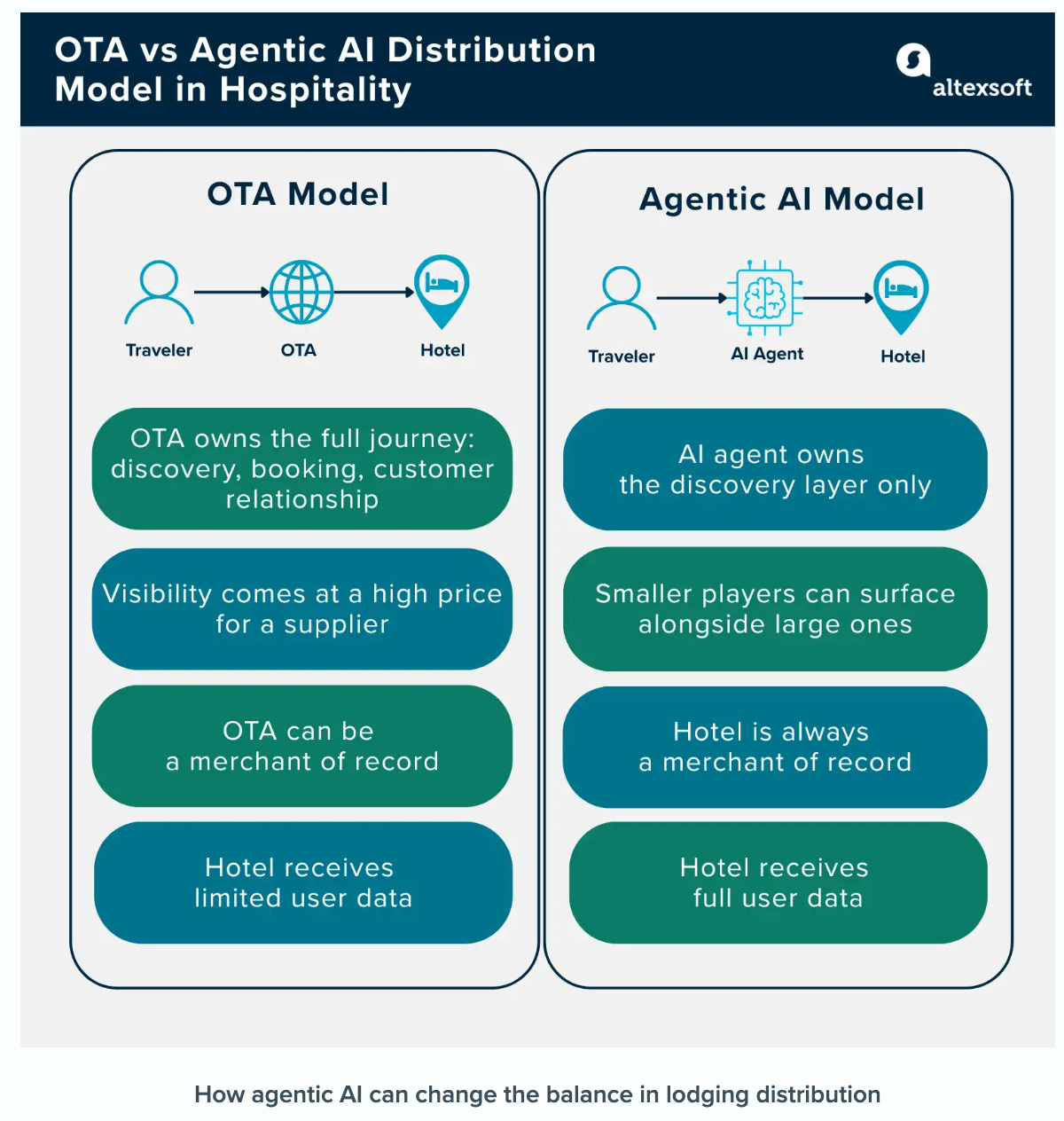
Who will control lodging distribution in the era of Agentic AI? 7 questions to hospitality experts
The article is a Q&A style exploration of whether agentic AI could weaken OTA control over hotel distribution, built around expert interviews and organized around the biggest open questions, including where AI is already changing the traveler journey, why discovery is moving faster than booking, whether OTAs will lose power or simply shift into inventory and transaction roles, what new AI native intermediaries might emerge, how MCP and UCP could fit into hotel connectivity, whether travelers will trust AI with payments, and what hotels should do now around structured data, system readiness, and vendor strategy.
3 key takeaways from Google I/O 2026
The article is a travel industry readout on Google I/O 2026, organized around three big developments: the redesign of Google Search into a more agentic, conversational interface, the expansion of intelligent shopping and booking rails across products like Search, Gmail, Gemini, and YouTube, and the launch of a new personal AI assistant called Spark, then tying all of that back to what it means for travel brands in terms of visibility, machine readable inventory, MCP connectivity, and the growing risk that trip planning and booking may happen inside Google’s ecosystem rather than on supplier websites.

Welcoming guests with space
The article explains how hotel room design affects guest satisfaction through something very simple: how much usable personal space the guest actually feels they have, using examples like excess pillows, desk clutter, printed notices, and crowded bathroom counters to argue that too many hotel-provided items can get in the way of guests settling in, personalizing the room, and feeling a sense of temporary ownership, then connecting that idea to research on psychological ownership and ending with a few practical decluttering suggestions for hotels.

Follow on LinkedIn