Weekly Insights. October 11, 2026
Best hospitality industry articles focused on 💵revenue, 📊markets, and 🎯strategy (Oct 4 - Oct 11, 2026)

Will Agentic Hotel Bookings Flourish or Fizzle?
Beyond Revenue Growth: HVS Takeaways from The Lodging Conference
The article summarizes the main themes from The Lodging Conference, where the mood was more optimistic thanks to stronger 2026 RevPAR growth and limited new supply, but owners remain under pressure from rising operating costs, expensive debt, upcoming loan maturities, and flat profit margins. It also looks at growing scrutiny of brand fees and PIPs, the need for more active asset management, expanding AI adoption, and the broader shift from simply growing revenue to making sure that growth actually reaches GOP and asset value.
Exclusive: 1.1 million hotel-branded ads linked to ‘predatory OTAs’ in a single month
Research by Operto identified 1.1 million potentially deceptive hotel-branded advertisements over a 31-day period, affecting more than 204,000 hotels worldwide. These websites use hotel names to attract travelers who believe they are booking directly, often charging higher prices or imposing misleading cancellation terms. The article examines how AI is making these practices easier to scale, the role of OTA affiliate networks, and the consequences for hotels, including lost direct bookings, damaged guest relationships, and limited control over distribution.

Put AI on the P&L
The article argues that time saved through AI does not automatically translate into financial improvement. It introduces a five-question evaluation framework that requires hotels to identify the P&L line affected, establish a baseline, assign accountability, and calculate the full cost of the technology, including human oversight. Using Wyndham's AI-powered reservations calls as an example, it shows how operators can distinguish measurable revenue gains or cost savings from improvements in productivity that never reach the bottom line.
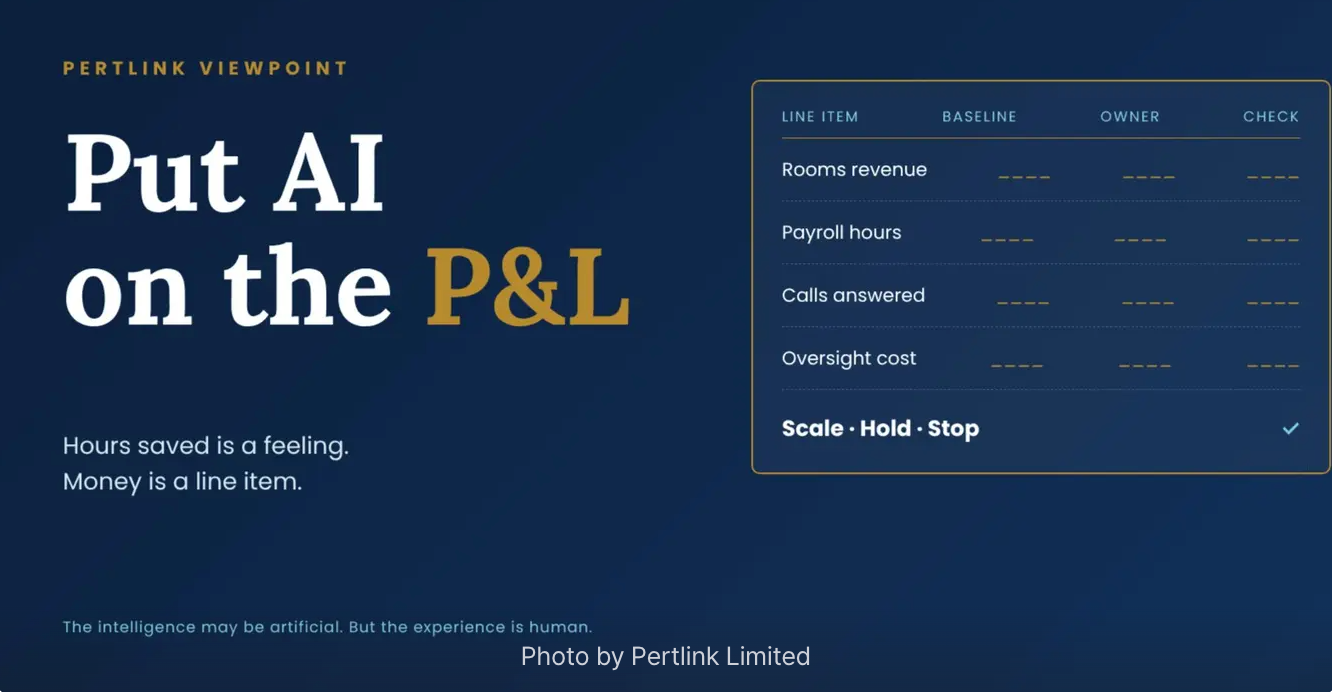
Why Hotel Chains Keep Adding Brands: Conversions Pay Franchisors First
The article examines why major hotel companies keep launching new brands even when adding more flags does not consistently improve RevPAR, arguing that conversion focused brands give franchisors faster signings, fee income, and loyalty network growth. It compares recent launches from Marriott, Hilton, and IHG, uses CBRE data to show that brand proliferation has not translated into stronger performance, and contrasts the clear benefits for franchisors with the owner side of the equation, where added fees only make sense if the affiliation produces measurable gains in rate, occupancy, direct demand, or operating efficiency.
Five Operational Signals That Tell You a Hotel's Revenue Strategy Is Hiding a Profit Problem
The article looks at five signs that a hotel’s revenue strategy may be improving top line results while weakening profit, covering occupancy that rises faster than contribution, falling net ADR despite stable headline rates, overreliance on a few peak nights, labor productivity deteriorating as volume grows, and ancillary spend failing to keep pace with occupied rooms, with the broader message that RevPAR, ADR, and occupancy should always be judged alongside acquisition cost, labor, displacement, concessions, and total guest spend.

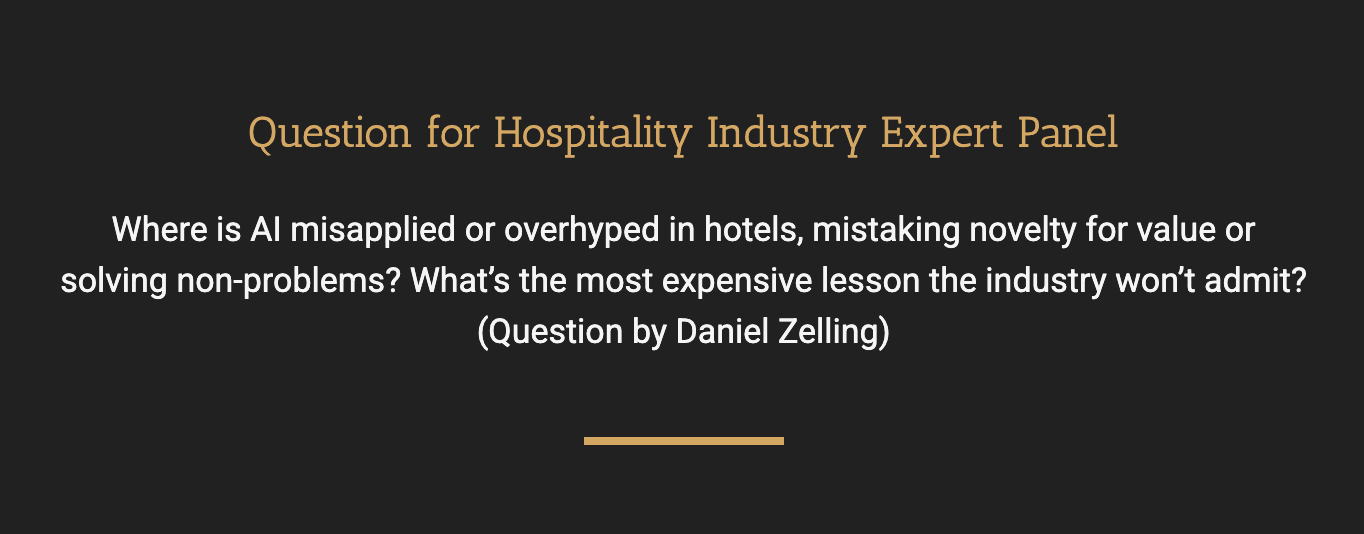
Is AI Being Overhyped Or Misapplied In Hotels?
Expert panel discussion on whether hotels are using AI because it is fashionable or because it solves a real problem, with contributors questioning overreliance on guest facing chatbots, weak human escalation, fragmented hotel data, and vendors labeling simple automation as AI. The strongest theme is that hotels should first fix their data, processes, and integrations, then use AI when it genuinely saves time or improves decisions, while keeping humans involved in emotional, complex, or service recovery situations.
Follow on LinkedIn