

Weekly Insights. November 22, 2026
Best hospitality industry articles focused on 💵revenue, 📊markets, and 🎯strategy (Nov 15 - Nov 22, 2026)

Black Friday: spotlighting 7 mistakes from 2025 that you can still avoid
The article is a practical Black Friday checklist built from mistakes Mirai saw hotels make in 2025, covering promotions that were hard to find, confusing promo codes, OTA prices still beating the hotel website, missed email marketing opportunities, insufficient digital advertising budgets, chatbots showing the wrong offer, and restrictions that made the promotion almost impossible to book. It also stresses testing the entire booking journey before launch so the offer, availability, messaging, mobile experience, and final price all work together to maximize direct bookings and profitability.
The Future of Revenue Management: Why AI Is Exposing, Not Solving, the Field’s Oldest Problems
The Cornell report examines why AI is not fixing hotel revenue management’s biggest problems, using interviews with 23 senior industry leaders and a survey of 224 revenue professionals worldwide. It finds that the real barriers are organizational rather than technological, especially weak commercial integration, continued dependence on RevPAR Index instead of profit metrics, fragmented data and systems, misaligned incentives, unclear decision rights, and frequent overrides of system recommendations. The main conclusion is that AI will only create meaningful value if hotels first improve data infrastructure, align commercial teams and goals, and build greater trust in automated decision making.
The price-drop regret loop
A study of nearly two million hotel reservations across 628 Portuguese properties found that 7.55% of cancellations involved guests rebooking the same hotel at a lower rate, resulting in an average revenue loss of €67 per stay. The article explains how price-tracking tools and flexible cancellation policies can turn rate reductions into revenue leakage. It recommends measuring rebooking behavior, considering existing reservations before lowering prices, and using added value or early-booking incentives to protect revenue.

How Hyatt’s revamped loyalty rewards cater to shifting traveler demand
Hyatt is expanding its loyalty program to offer more flexible rewards, including suite upgrades, wellness benefits, hotel credits, and opportunities connected to airline partnerships. The article explores how hotel loyalty is evolving beyond points and free nights toward personalized benefits throughout the travel journey. It provides an example of how major hotel brands are adapting retention and customer engagement strategies as travelers increasingly expect benefits beyond the hotel stay.
As more hotels list rooms on Airbnb, platform is evolving into 'one-stop shop for every stay,' exec says
Airbnb is expanding its hotel distribution business, prioritizing boutique and independent properties in more than 60 destinations. In an interview, the company's vice president of hotels explains how Airbnb plans to attract hotel partners through access to its existing customer base, potentially lower distribution costs, and improved connectivity with hotel reservation systems. The article examines Airbnb's ambition to become a broader accommodation marketplace and what its expansion could mean for independent hotels evaluating their distribution mix.

Know Your Goal. Then Pick Your Channel.
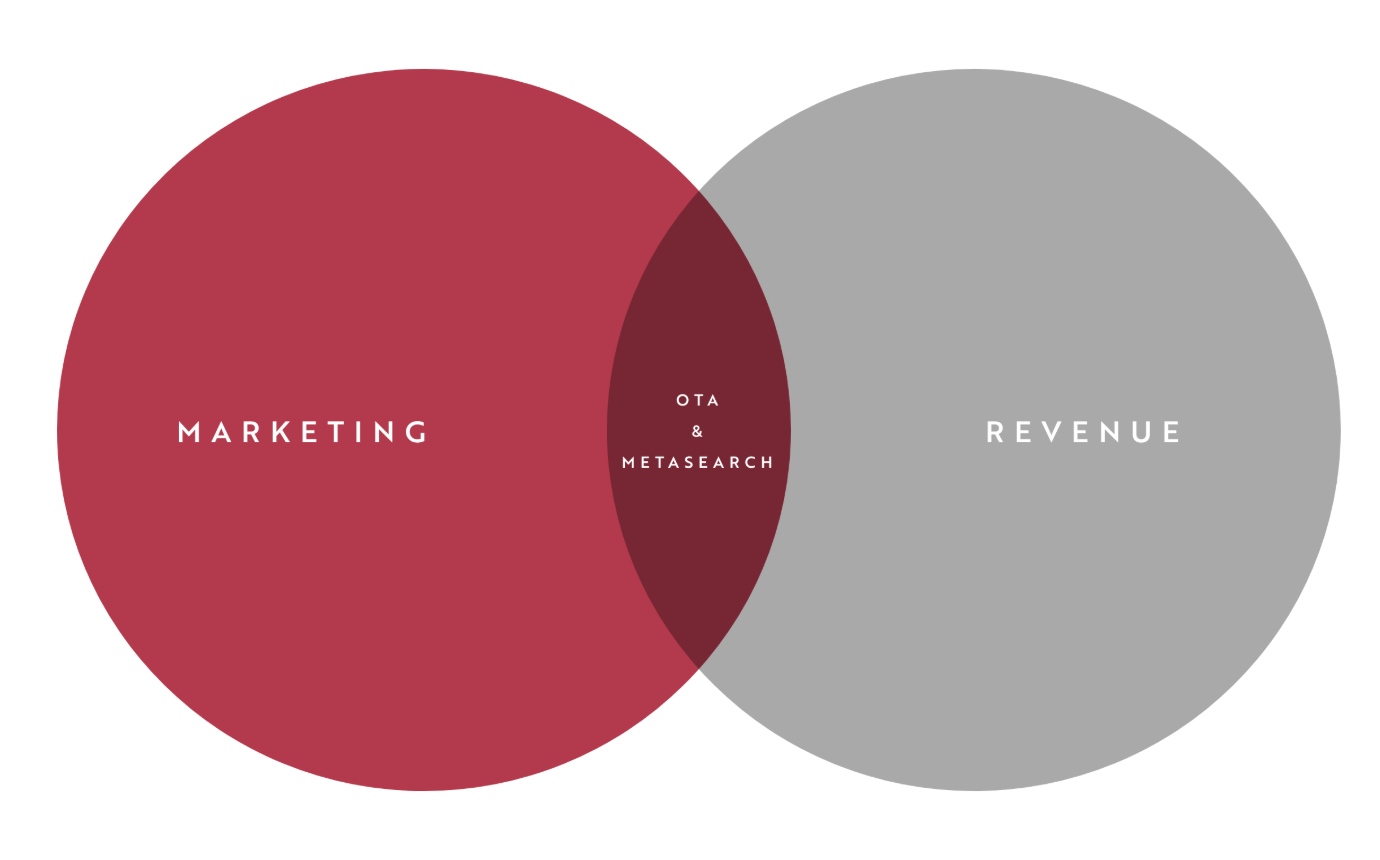
The article provides a practical framework for selecting hotel advertising channels based on four commercial objectives: filling short-term occupancy gaps, reducing OTA dependence, generating incremental demand, and re-engaging website visitors. It compares Google Search, metasearch, OTA advertising, and social media using return-on-ad-spend benchmarks from Tambourine's client portfolio. The central argument is that marketing budgets should be allocated according to specific revenue objectives rather than spreading investment across every available channel.
Beyond the Spreadsheet: Why hotels are measuring wellness in the wrong place
The article argues that luxury hotels are measuring wellness too narrowly by treating it as a spa revenue line instead of something that should influence the entire stay, from food and minibar choices to bath products, hydration, sleep, and small in room details. It explains how poorly integrated wellness can push guest spending off property and weaken loyalty, then connects a more holistic approach to ADR, direct bookings, ancillary revenue, reviews, and future luxury rating standards, with the broader point that wellness should be judged by its impact on the guest relationship and overall hotel performance rather than by spa profit alone.

Follow on LinkedIn