

Weekly Insights. October 17, 2026
Best hospitality industry articles focused on 💵revenue, 📊markets, and 🎯strategy (Oct 11 - Oct 17, 2026)

The Fine Print in Every Hotel Management Contract
The article breaks down the clauses in hotel management agreements that can matter more than the headline fee, including base and incentive fee structure, owner priority returns, termination rights, performance tests, budget approval, audit rights, competitive restrictions, technology control, and ownership of guest and operational data. It also covers common mistakes first time owners make and uses a real example to show why choosing a capable operator and preserving the ability to replace them can be more important than simply negotiating the lowest fee.

Beyond RevPAR: What Really Drives Hotel Performance?
The article explains why RevPAR is only the first layer of hotel performance, then builds a four level framework that moves from occupancy, ADR, RevPAR, and market penetration to operating profit, EBITDA and cash generation, and finally CapEx, reinvestment, and return on invested capital. It is mainly about connecting commercial performance with the full economics of the asset so owners and operators can see whether revenue growth is actually becoming sustainable profit and long term value.

Every Discounted Rate Needs a Fence. Most Have a Promo Code
The article challenges the effectiveness of common hotel discounts, arguing that a lower rate only makes sense when it attracts genuinely different demand rather than giving existing customers a cheaper way to book. It explains four types of rate fences (physical, transactional, customer-based, and volume-based) and introduces a practical test using booking lead time, length of stay, source market, and arrival day to identify discounts that may be unnecessarily reducing revenue.

The Shortlist Effect: The AI sent her. Your analytics say Google did
AI-assisted hotel discovery is creating a measurement problem because travelers frequently verify recommendations through Google before visiting a hotel’s website. As a result, conventional analytics may credit Google for demand originally generated by AI. The article outlines three practical ways to assess this activity: monitoring ChatGPT referral bookings, tracking branded-search trends, and asking guests how they discovered the property. It also highlights cross-domain booking-engine tracking as a potential source of inaccurate attribution.
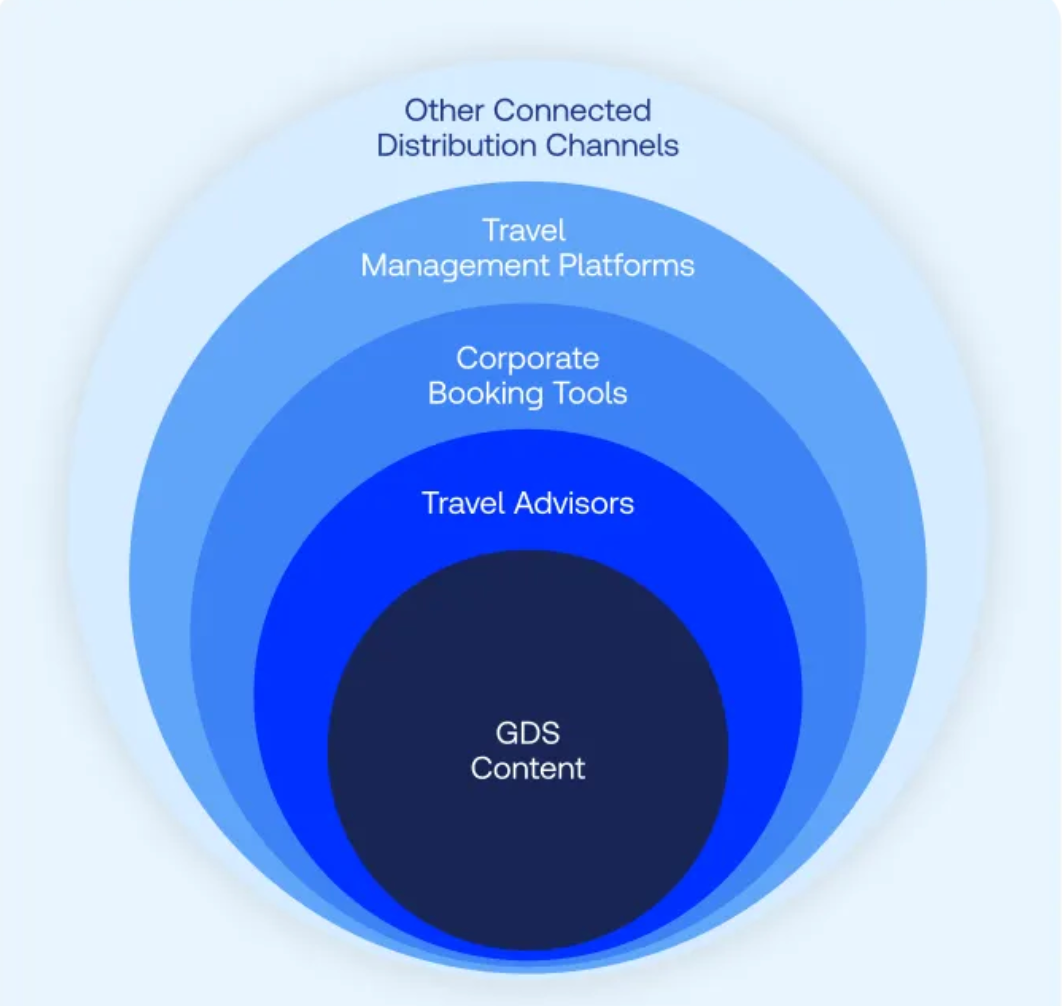
Winning the Travel Advisor’s Eye Starts with GDS Content
The article examines how incomplete hotel information in global distribution systems can cause properties to disappear from travel advisor and corporate booking searches before price becomes a consideration. Missing amenity codes, unclear room descriptions, and outdated property details can limit discoverability across connected platforms. Drawing on a discussion with distribution specialists, it recommends auditing searchable attributes, descriptions, amenities, and rates as part of the hotel’s broader commercial strategy.
Booking Holdings launches Vayo AI travel agent, plans $100M investment
Booking Holdings has introduced Vayo, an AI travel assistant designed to manage reservations across different booking platforms, monitor hotel prices, identify rebooking opportunities, and coordinate travel arrangements. Unlike traditional OTAs, Vayo aims to maintain an ongoing relationship with travelers even when reservations are made elsewhere. The planned $100 million investment illustrates how major intermediaries are expanding beyond individual transactions toward controlling more of the travel experience, potentially changing how hotels acquire, retain, and compete for guests.

Before You Replace Your Executive Chef, Look at the Kitchen They Inherited
The article argues that poor restaurant performance is often blamed on the executive chef when the deeper problem is the kitchen system they inherited, then looks at issues such as undocumented recipes, weak production pars, staffing that is not tied to demand, unclear decision rights, and inconsistent performance standards. It also outlines what should be in place before hiring a new chef and proposes a 30 and 60 day evaluation framework built around measurable operational improvement rather than personality or first impressions.

Follow on LinkedIn